Are Mushrooms High in Fibre?
Are Mushrooms High in Fibre?
Discovering the fibre content and health benefits of mushrooms
When people think about fibre-rich foods, they often consider oats, beans, and whole grains. But there's an often-overlooked powerhouse that deserves recognition: mushrooms. These fascinating fungi offer a unique blend of dietary fibre that can contribute significantly to your daily nutritional needs whilst providing benefits you won't find in many other foods.
Let's explore the fibre content of mushrooms, what makes them special, and why they deserve a regular spot in your healthy eating routine.
Quick Answer
Fresh mushrooms contain approximately 1-3 grams of fibre per 100g, providing around 2-4% of your daily value. Whilst this might not seem exceptionally high compared to some vegetables, mushrooms offer something unique: they contain both soluble and insoluble fibre, including special compounds like beta-glucans and chitin that provide exceptional health benefits beyond typical dietary fibre.
Understanding Dietary Fibre
Before we dive into mushrooms specifically, it's worth understanding what dietary fibre is and why it's so important for your health. Dietary fibre is the part of plant-based foods that your body cannot digest. Instead of being broken down and absorbed, fibre travels through your digestive system relatively intact, providing numerous health benefits along the way.
The Dietary Guidelines for Americans recommend that adults consume around 25-30 grams of dietary fibre each day, depending on sex and age. Unfortunately, most people in the UK and North America only consume about 15-18 grams daily – falling well short of optimal intake.
The Two Types of Dietary Fibre
Soluble Fibre
This type dissolves in water to form a gel-like substance. It helps lower cholesterol levels, regulates blood sugar, and supports healthy gut bacteria. Found in foods like oats, apples, and mushrooms.
Insoluble Fibre
This type doesn't dissolve in water. Instead, it adds bulk to your stool and helps food pass more quickly through your digestive system. It prevents constipation and supports regular bowel movements. Found in whole grains, vegetables, and mushrooms.
How Much Fibre Do Mushrooms Contain?
The fibre content in mushrooms varies by variety, but here's what you can expect from common edible mushrooms:
White Button Mushrooms
Fibre per 100g: Approximately 1-2g (providing 2-4% of daily value)
The most common variety, offering a good balance of both soluble and insoluble fibre along with low calories.
Oyster Mushrooms
Fibre per 100g: Approximately 2-2.3g
Higher in insoluble fibre, particularly beneficial for digestive health. Grow your own oyster mushrooms →
Shiitake Mushrooms
Fibre per 100g: Approximately 2.5g
Rich in beta-glucans, offering exceptional immune-supporting properties. Grow your own shiitake →
Lion's Mane Mushrooms
Fibre per 100g: Approximately 2-3g
Contains unique polysaccharides beneficial for cognitive health. Grow your own lion's mane →
What Makes Mushroom Fibre Special?
Whilst mushrooms might not top the charts for absolute fibre content, they offer something truly unique: they contain both soluble and insoluble fibre in one package. Many foods provide primarily one type or the other, but mushrooms deliver both, making them especially valuable for comprehensive digestive and metabolic health. According to research published in Foods, mushrooms contain 4-9% soluble fibre and 22-30% insoluble fibre of their total dietary fibre content.
Beta-Glucans: The Star Player
One of the most remarkable components of mushroom fibre is beta-glucans, a type of soluble fibre that's relatively uncommon in the plant kingdom. Beta-glucans are found in particularly high concentrations in varieties like shiitake and oyster mushrooms. Research published in Nutrients journal highlights the significant health-promoting properties of mushroom beta-glucans.
Health Benefits of Beta-Glucans
Heart Health: Beta-glucans bind to bile acids in your digestive system, helping to remove excess LDL cholesterol (the "bad" kind) from your body. A study published in Food & Function demonstrates that mushrooms have similar bile acid binding capacity to oats, whilst research in Journal of Medicinal Food shows beta-glucans can lower total and LDL cholesterol significantly.
Blood Sugar Control: By slowing down carbohydrate digestion and absorption, beta-glucans help prevent dramatic spikes in blood sugar after meals. This is particularly beneficial for people with type 2 diabetes or metabolic syndrome, as confirmed by research in Applied Biological Chemistry.
Immune Support: Beta-glucans stimulate parts of your gut's immune tissue, enhancing your body's natural defence systems. Studies show they activate key immune cells including macrophages and neutrophils.
Cancer Prevention Potential: Long-term studies suggest that diets high in beta-glucans may be associated with lower risk of certain cancers, including colon and breast cancer, as reviewed in comprehensive research on mushroom beta-glucans.
Chitin: The Structural Fibre
Chitin is an insoluble fibre that forms part of the mushroom's cell wall structure. Your body doesn't digest chitin, which is precisely why it's so helpful. As it moves through your digestive system, chitin acts like a gentle brush, helping to sweep away waste, toxins, and potentially harmful substances.
This insoluble fibre adds bulk to your stool, promotes regular bowel movements, and helps prevent constipation. Because your body doesn't absorb it, chitin also adds volume to your meals without contributing calories – a significant benefit for weight management.
The Digestive Health Benefits
The combination of soluble and insoluble fibre in mushrooms provides comprehensive support for your digestive system. Here's how mushroom fibre supports gut health:
Prevents Constipation: The insoluble fibre adds bulk and helps food move through your digestive tract more efficiently.
Feeds Good Gut Bacteria: Mushroom fibre acts as a prebiotic, nourishing the beneficial bacteria in your gut that support overall health, immunity, and even mental wellbeing. A comprehensive review in Foods journal details how mushroom dietary fibre positively impacts gut microbiota composition.
Supports Regular Bowel Movements: The combination of fibre types promotes healthy, regular digestion without causing bloating or discomfort.
Promotes Colon Health: By helping to remove waste efficiently and supporting beneficial bacteria, mushroom fibre may help reduce the risk of digestive issues and support long-term colon health.
Mushrooms and Weight Management
If you're working towards maintaining a healthy weight or looking to trim down, mushrooms can be a valuable ally. The fibre content works synergistically with their other properties to support weight management goals.
Increased Satiety
Fibre-rich meals help you feel fuller for longer, reducing the urge to snack between meals and helping control overall calorie intake.
Low Calorie Density
Mushrooms are mostly water and fibre, providing substantial volume for very few calories – just 20-30 calories per 100g in most varieties.
Supports Healthy Metabolism
The beneficial gut bacteria fed by mushroom fibre play roles in metabolism regulation, potentially influencing how your body processes and stores nutrients.
Comparing Mushrooms to Other Fibre Sources
To put mushroom fibre content in perspective, here's how they compare to other common fibre-rich foods:
Whilst mushrooms don't contain as much total fibre as legumes, they offer exceptional nutritional value with minimal calories. Think of them as a valuable supporting player in your overall fibre strategy rather than your sole source.
Maximising Fibre Benefits from Mushrooms
To get the most nutritional benefit from the fibre in mushrooms, consider these tips:
Cook them thoroughly: Cooking breaks down mushroom cell walls, making the fibre more accessible and improving digestibility. It also enhances nutrient absorption.
Don't discard the stems: Mushroom stems often contain higher concentrations of fibre than the caps, so include them in your cooking.
Combine with other fibre sources: Pair mushrooms with whole grains, beans, or vegetables to create meals with comprehensive fibre profiles.
Choose fresh over processed: Fresh mushrooms, particularly home-grown ones, retain the highest levels of beneficial fibres like beta-glucans.

The Bottom Line: Should You Eat Mushrooms for Fibre?
So, are mushrooms high in fibre? The answer is nuanced. Whilst they're not the highest-fibre food available, mushrooms offer something far more valuable: a unique combination of both soluble and insoluble fibre, including special compounds like beta-glucans and chitin that provide health benefits you won't find in many other foods.
Mushrooms provide both types of dietary fibre in one convenient package
They're exceptionally low in calories whilst being nutrient-dense
The beta-glucans in mushrooms offer unique heart health and immune benefits
They're versatile and delicious, making it easy to include them regularly in your diet
Growing your own ensures maximum freshness and nutrient retention
Rather than viewing mushrooms as a primary fibre source, think of them as an exceptional complementary food that enhances your overall nutritional profile whilst providing specific health benefits that extend far beyond basic fibre content.
Grow Your Own Fibre-Rich Mushrooms
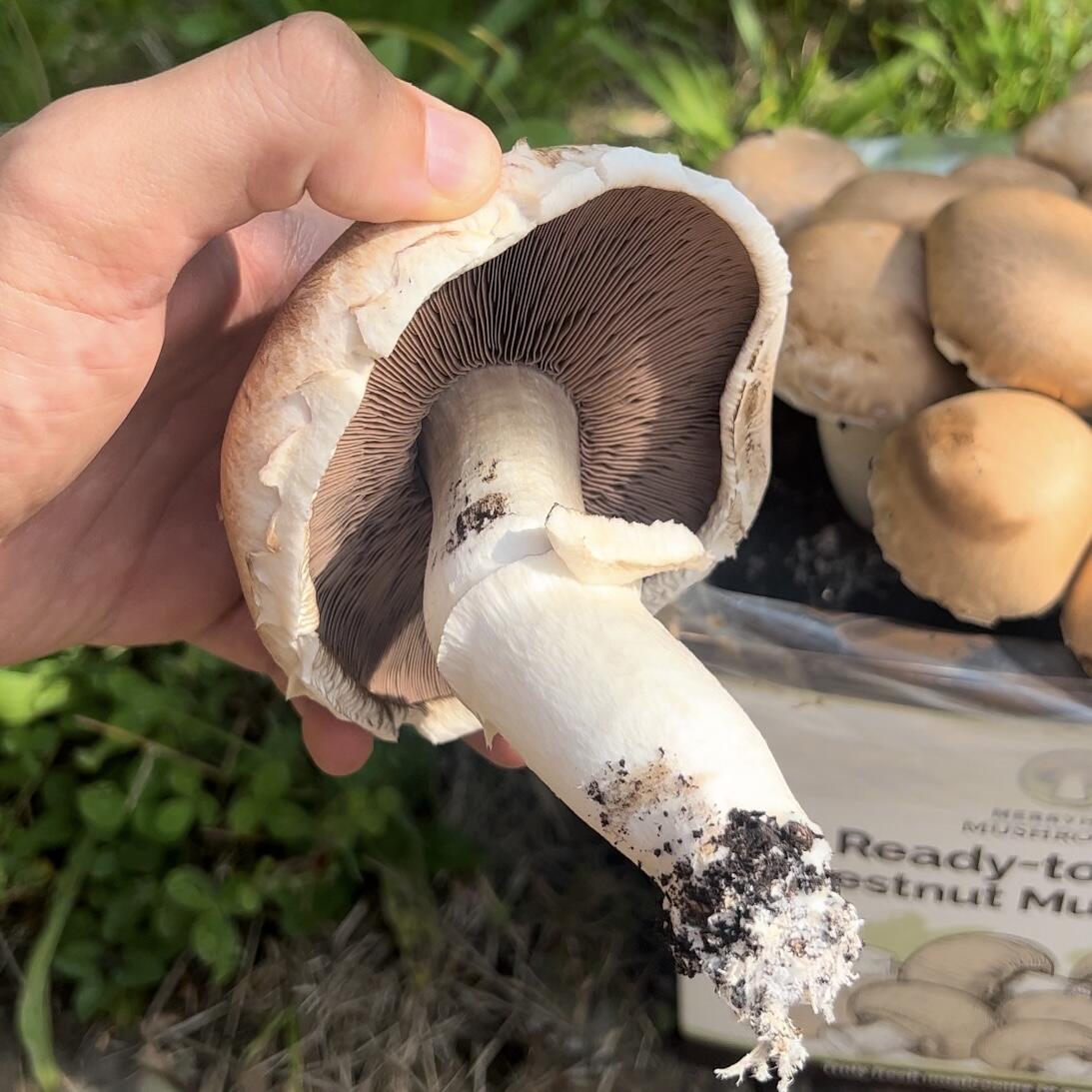
The freshest mushrooms with the highest fibre and nutrient content are the ones you grow yourself. Home-grown mushrooms are harvested at peak nutrition, ensuring maximum beta-glucan content and overall fibre quality. At Merryhill Mushrooms, we make it easy to grow your own gourmet mushrooms at home with our simple, effective growing kits.
Why Grow Your Own?
Peak Nutrition: Harvest at optimal freshness for maximum fibre and nutrient content
Cost-Effective: One kit produces multiple harvests over several weeks
Sustainable: Minimal packaging, zero food miles, no pesticides
Educational & Fun: Watch your mushrooms grow in just 7-14 days
Quality Control: Know exactly what's in your food from start to finish
Start Growing Fibre-Rich Mushrooms Today
Choose from Shiitake, Oyster, Lion's Mane, and more varieties – all easy to grow at home!
Browse Growing KitsScientific References
This article is based on peer-reviewed scientific research:
Edible Mushrooms and Beta-Glucans: Impact on Human Health - Nutrients, 2021
The Effect of Mushroom Dietary Fiber on the Gut Microbiota - Foods, 2023
Mushrooms as Nutritional Powerhouses - Foods, 2024
β-Glucan content and bile-acid binding capacity of mushrooms - Food & Function, 2024
Pharmacological insights of edible and medicinal mushroom β-glucans - Applied Biological Chemistry, 2025
β-glucans and cholesterol - Journal of Medicinal Food, 2018