
Mushroom Coffee vs Normal Coffee: What Changes in Caffeine, Taste and Daily Routine?
Mushroom Coffee vs Normal Coffee: What Changes in Caffeine, Taste and Daily Routine?
A plain-English look at what really changes when you swap your usual cup, and when mushroom coffee genuinely fits your day.
Mushroom coffee and normal coffee can look similar on the shelf, but they do not always behave the same way in the cup or across the day. Caffeine levels can change, flavour can soften or shift, and the routine around the drink can feel more deliberate or more flexible depending on the blend. Many shoppers assume mushroom coffee is a full replacement for ordinary coffee, but the real answer is usually more practical than that. Some people use it to cut back slightly, some choose it because they like the flavour profile, and some simply prefer a drink format over capsules or powders. The best choice usually comes down to three things: how much caffeine you actually want, what kind of coffee taste you enjoy, and what sort of daily routine feels easy enough to keep.
Key takeaways
- Mushroom coffee usually changes the coffee experience more in balance and routine than in dramatic overnight ways.
- Caffeine is often lower in mushroom coffee, but not every blend is low-caffeine.
- Taste can feel softer, earthier or less sharp, depending on the coffee base and the mushroom blend.
- Daily routine often changes because mushroom coffee is usually chosen more intentionally than normal coffee.
- Normal coffee still suits many drinkers better, especially those who want a strong caffeine hit and a classic roast flavour.
- The best option is the one you will genuinely enjoy and keep using.
What mushroom coffee actually is in practical terms
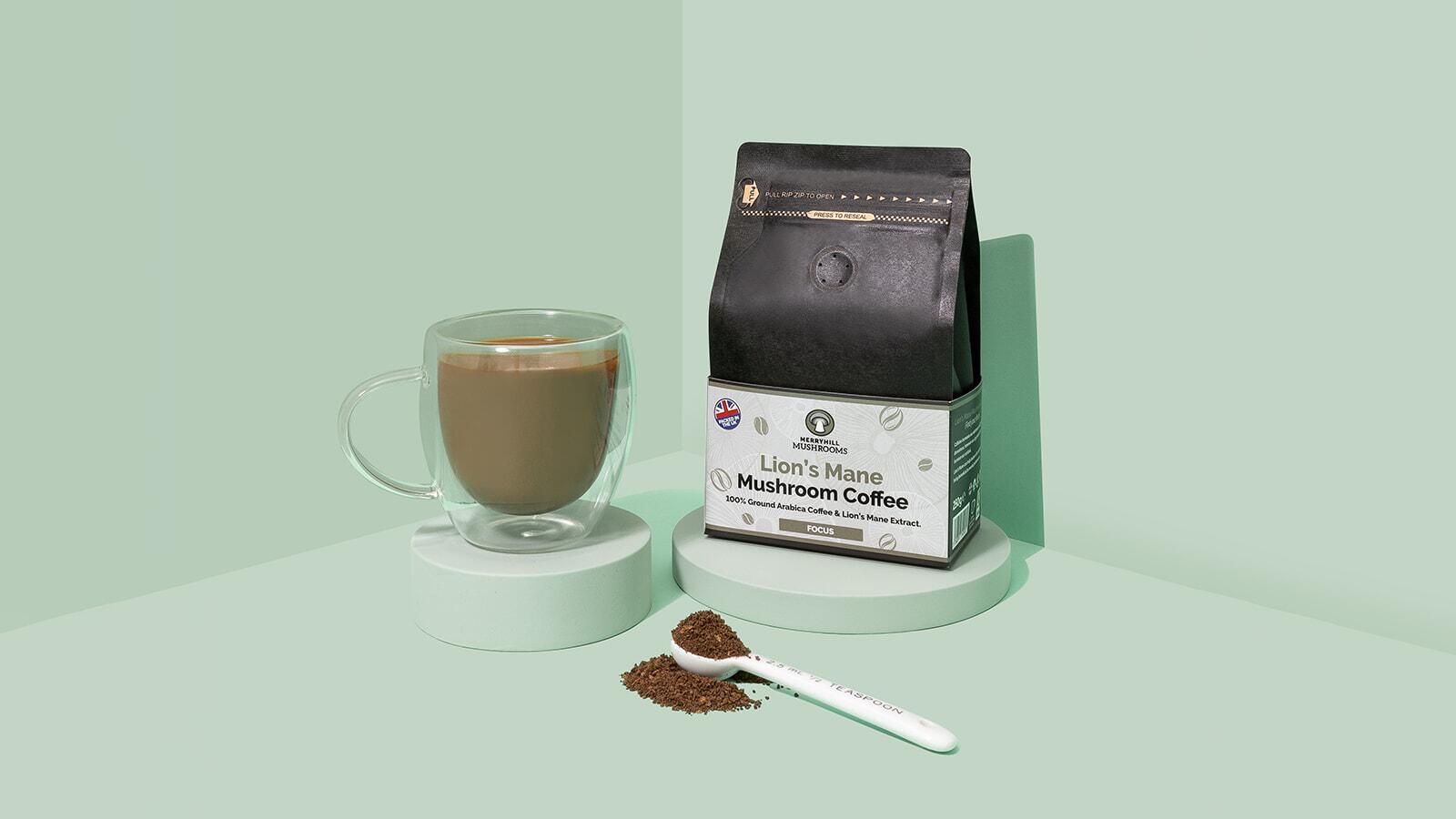
Mushroom coffee is usually a coffee product blended with mushroom ingredients rather than a mug made from mushrooms alone. Coffee still sits at the centre of most products in this category, which is why the drink still tastes more like coffee than anything unfamiliar or food-like.
Blend structure is what changes the experience. Mushroom extracts or powders are added into the coffee format, and that changes how the cup lands in terms of flavour, caffeine feel and routine. Some blends are built to stay close to standard coffee. Others make the mushroom side more noticeable.
Product purpose matters as well. Mushroom coffee is normally chosen as an everyday drink, not as a one-off novelty. That means the blend has to work as a repeatable habit, not just as an interesting first mug.
What normal coffee usually delivers that mushroom coffee does not
Normal coffee usually gives the clearest and strongest version of the coffee flavour a person already knows. Roast identity stays front and centre, and that makes the drink easy to understand for anyone who likes a familiar morning cup.
Caffeine punch is also more predictable in ordinary coffee. Standard coffee drinkers often know how their usual brew feels, how much they need and what kind of lift they expect from the first mug of the day.
Routine comfort comes with that familiarity. Normal coffee rarely asks the drinker to rethink the product, the taste or the role of the drink in the day. It simply does the same job it has always done, and for many people that is exactly the point.
How caffeine usually changes with mushroom coffee
Caffeine levels are often lower in mushroom coffee than in normal coffee, but that depends on the blend. Coffee content varies from product to product, so one mushroom coffee can feel noticeably lighter while another still feels fairly close to a standard cup.
Blend ratios are the reason for that difference. A product that replaces part of the coffee with mushroom extracts or other ingredients often lands with less caffeine overall. A product that keeps a stronger coffee base may not feel very different at all in caffeine terms.
Drinking experience is where the change becomes noticeable. Some people describe mushroom coffee as smoother or less jolting, especially if they are moving over from strong normal coffee. That does not mean the drink is weak. It usually means the cup feels less aggressive for that person's routine.
At a glance: the three real differences
Caffeine: Usually lower, but varies by blend. Check the label before assuming.
Taste: Often rounder and softer, with a subtle earthy undertone. Still recognisably coffee.
Routine: Tends to feel more deliberate. Many buyers use it alongside normal coffee rather than replacing it entirely.
Why lower caffeine can feel better for some people
Reduced caffeine can help some drinkers keep coffee in their day without making every cup feel too intense. Morning balance matters for people who still want coffee but do not want the same level of sharpness, jitters or over-reliance they sometimes associate with stronger brews.
Routine control is another reason buyers make the switch. Mushroom coffee can feel like a more deliberate choice than simply reaching for another standard mug out of habit. That shift alone can improve how the drink fits into the day.
Afternoon flexibility can also improve when the caffeine level is a little lower. Some people find that a gentler coffee format gives them more room to enjoy a second cup without feeling over-caffeinated later on.
Why normal coffee still wins for some caffeine drinkers
High-caffeine preference is real, and many buyers simply want a stronger coffee experience. Morning demand can be high for people with early starts, physically busy days or a long-established habit built around a more powerful brew.
Classic coffee expectation also matters. Normal coffee gives many drinkers the exact lift they want without compromise, and that directness can be hard to replace if caffeine is one of the main reasons they drink coffee in the first place.
Replacement pressure can create disappointment. A mushroom coffee bought as a full substitute for strong normal coffee may feel underpowered if the drinker really wanted the same hit with a different label. That is why honest buying matters more than trend excitement.
How taste changes in the cup
Taste usually changes less in a dramatic way and more in the overall shape of the drink. Flavour often feels rounder, softer or slightly earthier in mushroom coffee, especially when the blend is designed to sit smoothly inside a daily routine rather than hit with a harsh roast edge.
Coffee base still does most of the work. Roast, bean style, grind type and overall formulation usually matter more to the final taste than the mushroom name alone. A weak coffee base will not improve just because a fashionable mushroom ingredient has been added.
Mushroom effect tends to show up in the background. Some cups feel less sharp. Some feel slightly fuller. Some feel subtly earthy. A few feel close enough to ordinary coffee that a first-time buyer barely notices much difference beyond the overall balance.
If the taste feels too earthy at first, here are 10 fixes that do not rely on sugar
Why some mushroom coffees taste easier to finish
Softness is one reason many buyers say mushroom coffee feels easier to finish. Flavour can feel less harsh, and that can suit drinkers who want something gentler than a very bitter or acidic normal coffee.
Balance is another reason. A drink that stays pleasant from first sip to last sip has a much better chance of becoming part of the morning rather than part of a cupboard clean-out later.
Finishability matters more than first-impression novelty. A coffee that tastes interesting for one sip but tiring by the middle of the mug is not a strong daily option. A coffee that feels steady, smooth and easy to keep drinking often turns out to be the better buy.
Why some buyers still prefer the taste of normal coffee
Classic roast flavour is hard to beat for people who already love it. Coffee purity matters to drinkers who want bold roast notes, familiar bitterness and the exact taste they have built their mornings around.
Mushroom background notes can feel unnecessary to that buyer. Subtle earthiness, softer edges or a changed balance may be pleasant to one person and slightly disappointing to another.
Expectations around coffee identity also matter here. A buyer who wants coffee first, coffee second and coffee third may simply be happier staying with normal coffee. That is not resistance to mushroom coffee. It is simply a better fit.
How daily routine usually changes
Daily routine often changes because mushroom coffee is usually chosen more intentionally than normal coffee. Habit becomes a bigger part of the decision, and that tends to make the drink feel more purposeful than automatic.
Morning rhythm can shift as a result. Some drinkers use mushroom coffee as a straight swap for the first cup. Some keep normal coffee for the strongest part of the morning and use mushroom coffee later. Some only use mushroom coffee on weekdays when they want a steadier-feeling start.
Decision-making becomes part of the routine as well. Normal coffee is often grabbed without much thought. Mushroom coffee is usually chosen with a reason in mind, whether that reason is taste, reduced caffeine, curiosity or a broader interest in functional mushrooms.
Why mushroom coffee often feels more intentional
Intentional drinking is one of the biggest routine differences between mushroom coffee and normal coffee. Product choice tends to feel more deliberate because the buyer has usually spent more time thinking about the blend, the ingredients and the reason for using it.
Cup ritual can slow down in a good way. Mushroom coffee often becomes a conscious morning choice rather than a default refill. That can suit people who want to reduce automatic overdrinking without giving up coffee completely.
Routine satisfaction grows when the mug matches the person's real needs. A softer cup, a more measured caffeine level or a flavour profile that feels easier in the afternoon can all make the routine feel more settled.
Why normal coffee often feels easier by default
Default habit is the biggest strength of normal coffee. Familiarity makes the whole process effortless, and effortless routines tend to stay in place for years.
Availability adds to that ease. Normal coffee is everywhere, easy to replace and simple to understand, which means the drinker rarely has to think twice about buying it again.
Routine loyalty comes from that simplicity. A buyer who does not want to compare blends, read ingredient lists or experiment with format will often be happiest sticking with what already works.
Who usually prefers mushroom coffee
Practical drinkers often prefer mushroom coffee when they want a gentler-feeling cup without giving up coffee altogether. Routine-minded buyers also tend to like it when they want a morning drink that feels a little more considered than a standard automatic brew.
Curious shoppers are another strong fit. Ingredient interest brings many people into the category, especially when the mushroom itself already feels recognisable and easier to trust.
Lion's Mane often becomes the easiest entry point for that reason. Familiarity helps because Lion's Mane mushroom coffee feels connected to a mushroom people may already know from cooking, articles or home-growing interest. That gives the drink a more real and less abstract identity.
Who usually prefers normal coffee
Traditional coffee drinkers usually prefer normal coffee when strong flavour and strong caffeine are still the main priorities. Roast lovers often want the cleanest version of that coffee experience without any change in profile or purpose.
Speed-focused buyers also tend to stay with normal coffee when simplicity is the goal. Familiar products remove decision fatigue, and that can matter more than curiosity when mornings are already full enough.
Category sceptics may also do better with normal coffee, at least for now. A person who dislikes the idea of altered coffee flavour or who has no interest in mushroom ingredients should not feel pushed into a format that does not suit them.
How to compare the two honestly at home
Home testing is the best way to compare mushroom coffee with normal coffee properly. Like-for-like brewing gives the clearest answer because the method removes some of the confusion created by labels and product promises.
Cup setup should stay simple. Use the same mug size, the same milk choice if you use milk and roughly the same time of day so the comparison feels fair.
Taste notes should focus on three plain questions. Does this feel weaker or stronger in caffeine? Does this taste smoother or more familiar? Does this feel easier or harder to fit into my real day? Finishability matters more than first-sip novelty when making that comparison.
What changes if you normally drink several coffees a day
Multiple-cup routines can change quite a lot when mushroom coffee enters the picture. Caffeine stacking becomes easier to manage for some drinkers when at least one of the day's mugs feels lighter or less intense.
Afternoon choices often improve first. A person who loves normal coffee in the morning may still prefer mushroom coffee later because the drop in sharpness can feel more comfortable as the day goes on.
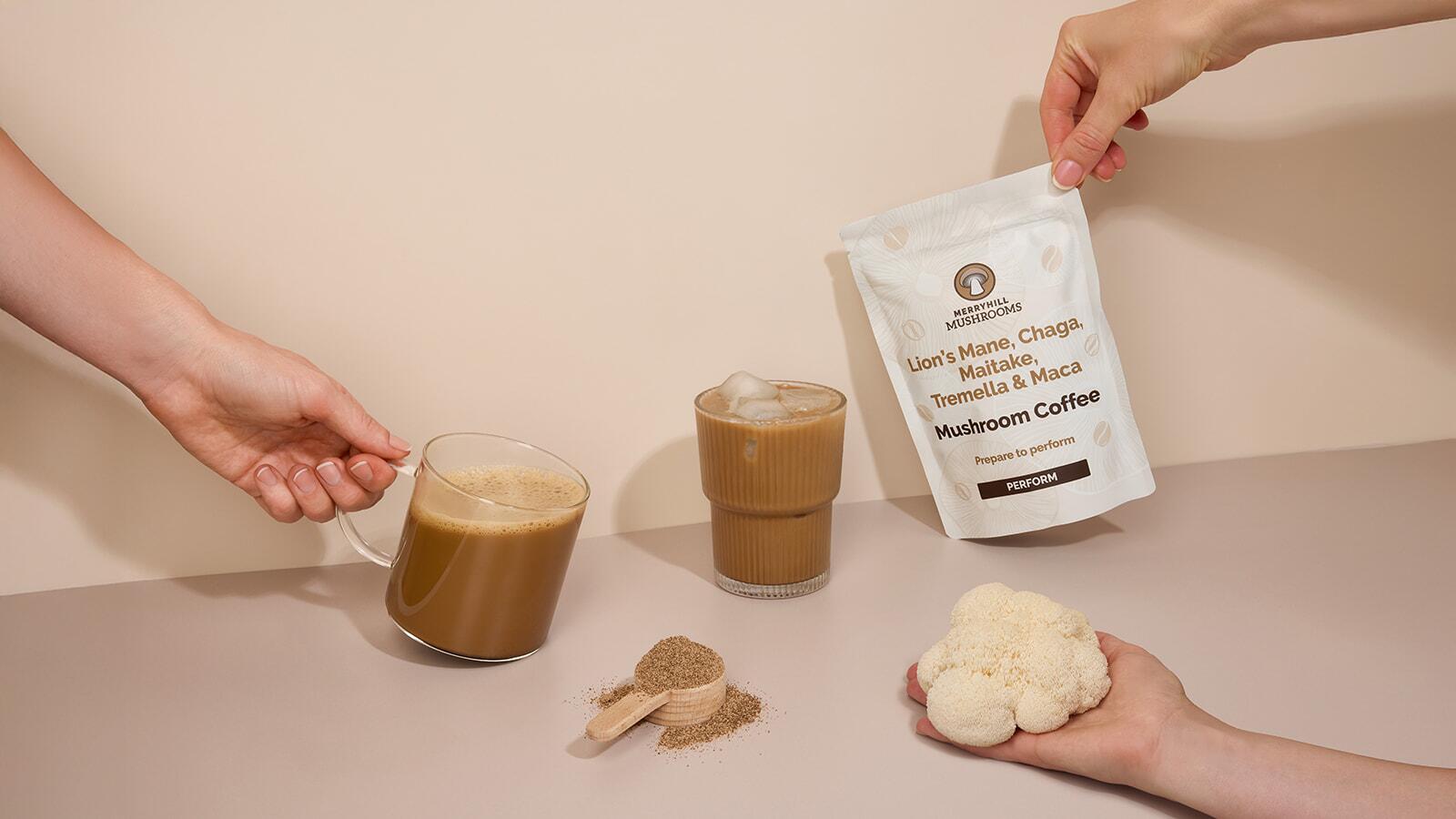
Routine mixing is often the most realistic solution. Many buyers do not fully replace normal coffee. They simply give different drinks different jobs. An instant mushroom coffee sachet can sit naturally in the afternoon slot while a stronger ground coffee still handles the morning.
Can mushroom coffee replace normal coffee completely?
Full replacement is possible for some drinkers, but it is not the only sensible outcome. Preference decides this more than theory does, and a mixed routine is often the best answer in real life.
Straight swaps work best when the buyer already wants slightly less caffeine or a softer flavour profile. Partial swaps work better when the buyer still loves normal coffee but wants another option in the routine.
Daily use should stay honest. Mushroom coffee does not need to replace every normal coffee to be useful. It only needs to do its own job well enough to earn a repeat place in the day.
What to check before buying a mushroom coffee
Ingredient clarity should come first. Product detail matters because the buyer needs to know what kind of mushroom is included, what sort of coffee format is being used and whether the drink sounds close enough to their normal style.
Coffee format should come next. Instant, ground and blended products behave differently, and the right one depends on how the person already makes coffee at home. Ground mushroom coffee suits cafetière, filter and espresso setups, while instant sachets suit kettle-and-mug mornings and office use.
Mushroom context can help as well. A buyer who wants a clearer view of why drinks often appeal more than capsules or powders usually makes better decisions when they understand the wider routine side of the category before buying.
Why this topic fits the Merryhill Mushrooms customer so well
Target customer fit is strong here because Merryhill buyers are usually looking for practical mushroom products that feel easy to understand and easy to use. Beginner-friendly thinking runs through the brand, and that makes coffee comparisons easier to explain without sounding clinical.
Food-led curiosity also shapes this audience. Mushroom interest at Merryhill often starts with real mushrooms, real growing and real flavour, so the drink category makes most sense when it still feels connected to a proper product world rather than a vague wellness shelf.
Brand style matters because plain English suits this shopper. Merryhill Mushrooms works best when the advice is clear, grounded and useful, and that is exactly how mushroom coffee should be explained.
Where Lion's Mane fits if the drink leads to wider curiosity
Lion's Mane often becomes the bridge between coffee interest and wider mushroom interest. Recognition helps because the mushroom already has a clear identity, a distinctive look and a strong place in Merryhill Mushrooms content and product range.
Ingredient curiosity can grow from there. A buyer who starts with coffee may later want to understand the mushroom itself, how it grows and why it is so hard to find fresh. That often makes the Ready Growing Lion's Mane kit a natural next step rather than a random extra topic.
Product journey can widen in a very natural way after that. Some drinkers stay with the mug. Some move into the food side. Some begin to see the drink as one part of a wider mushroom interest, not the whole story.
Mushroom coffee vs normal coffee: which is better for daily life?
Better daily fit depends on what the drinker wants most from the cup. Caffeine needs, flavour preference and routine style all matter more than broad claims about what people should drink.
Normal coffee is often better for people who want a stronger caffeine hit, classic flavour and no disruption to the habit they already trust. Mushroom coffee is often better for people who want a gentler cup, a more intentional routine or a coffee format that feels slightly different without moving into capsules.
Real-life use is what matters in the end. The right drink is the one that tastes good enough to finish, fits the routine without drama and still feels like a good choice next week, not just today.
Merryhill Mushrooms suits that kind of decision-making because the brand already speaks to customers in a practical way. Simple guidance, real mushroom context and approachable products make it easier to compare coffee honestly and choose the mug that actually fits.
Try a mushroom coffee that actually tastes like coffee
Explore the Merryhill Lion's Mane coffee and hot chocolate range, made in the UK with mushroom fruit body extracts only.
Shop the mushroom coffee rangeFAQ
Is mushroom coffee better than normal coffee?
Mushroom coffee is not automatically better than normal coffee. It usually suits people who want a gentler cup, a slightly different flavour balance or a more deliberate routine. Normal coffee often suits people who want a stronger caffeine hit and a more familiar roast taste. The better option is usually the one that fits your real mornings and the kind of coffee you actually enjoy finishing.
Does mushroom coffee usually have less caffeine than normal coffee?
Yes, mushroom coffee often has less caffeine than normal coffee, but it depends on the blend. Some products replace more of the coffee base than others, so one mug may feel much lighter while another stays fairly close to a normal cup. That is why buyers should not assume every mushroom coffee is automatically low-caffeine. The blend structure matters more than the product name on its own.
Does mushroom coffee taste very different from normal coffee?
No, mushroom coffee does not always taste dramatically different from normal coffee. Many blends still taste clearly like coffee, but the flavour can feel softer, rounder or slightly earthier depending on the coffee base and the mushroom ingredients. Some buyers barely notice much difference after the first few mugs, while others notice the changed balance straight away. The biggest shift is often in feel and finish rather than in a completely unfamiliar taste.
Can mushroom coffee replace normal coffee completely?
Yes, mushroom coffee can replace normal coffee completely for some people, but it does not have to. Many buyers get the best result by using the two drinks for different jobs, such as normal coffee in the morning and mushroom coffee later in the day. A full swap tends to work best when the buyer already wants a softer flavour or a less forceful caffeine feel. A mixed routine often makes more sense when the person still enjoys ordinary coffee but wants another option as well.
How do I know which one fits me better?
You will usually know which one fits you better by comparing taste, caffeine feel and routine fit honestly at home. Brew both in the closest possible way and pay attention to how each mug feels in your actual day, not just in a first impression. A coffee that tastes good enough to finish and feels easy enough to repeat is usually the right choice. The best answer is rarely the trendiest drink and much more often the one that works naturally in your normal routine.