Shiitake Mushroom Benefits: Everything You Need to Know
Shiitake mushrooms are one of the most nutritious and well-researched edible mushrooms you can grow or buy in the UK. This guide covers what they contain, what the research says about their health benefits, and how to make the most of them in your cooking.
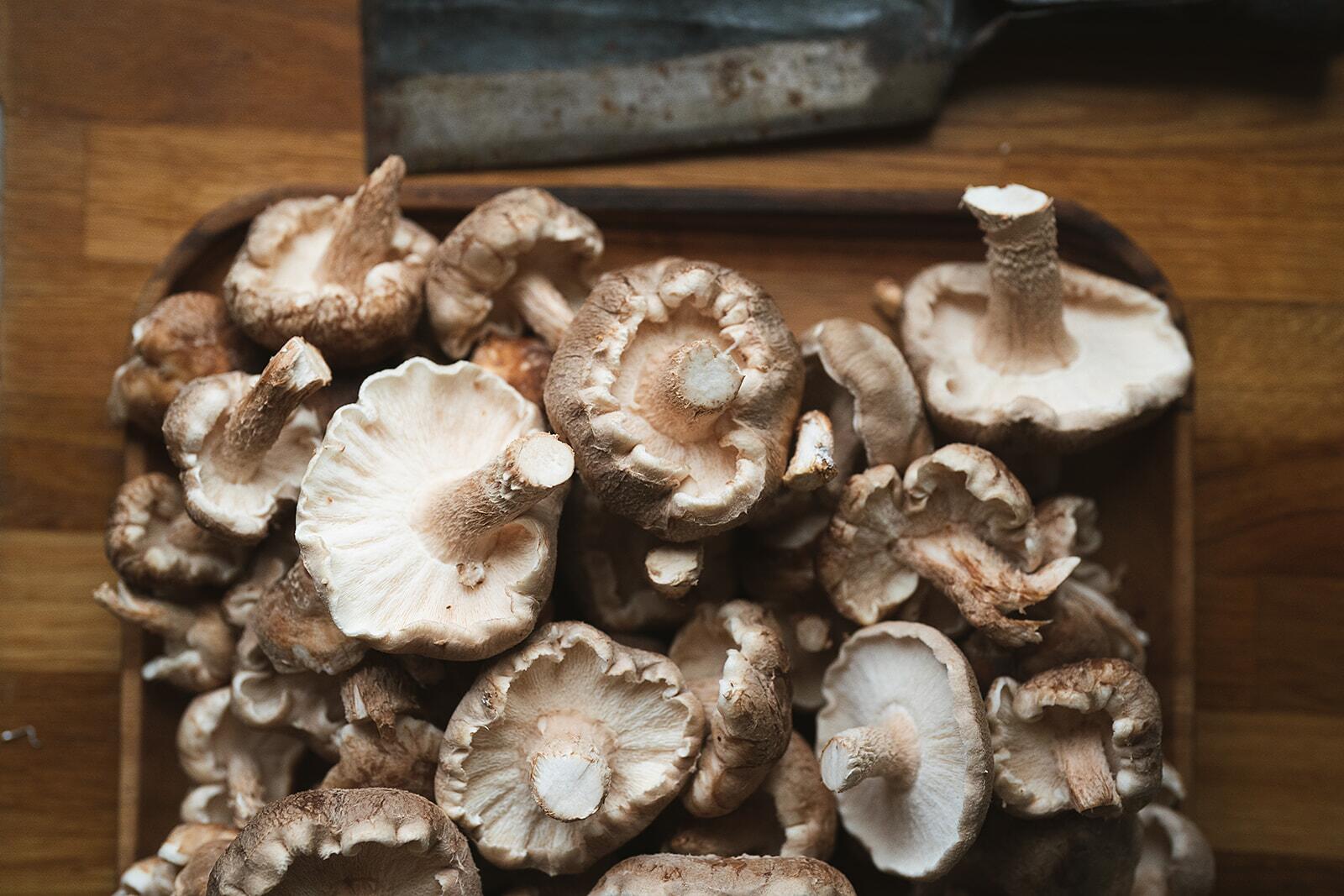
Home-grown shiitake mushrooms harvest. Growing your own guarantees freshness you cannot match in a supermarket.
What are shiitake mushrooms?
Shiitake (Lentinula edodes) are native to East Asia and have been cultivated and eaten there for over a thousand years. Their name comes from the Japanese words for the shii tree, on which they naturally grow, and "take," meaning mushroom. Today they are one of the most widely cultivated mushrooms in the world, popular equally for their flavour and their nutritional profile.
Fresh shiitake have tan to dark brown caps that typically reach 5 to 10 centimetres across. The texture is meaty and firm, with a rich, savoury flavour that deepens further when dried. They are sometimes described as having smoky undertones, which makes them a natural fit for dishes where you want depth without using meat.
While shiitake are increasingly available in UK supermarkets, they are almost always imported, which means they have been in transit for days by the time they reach the shelf. Growing your own at home using a shiitake growing kit is genuinely the best way to eat them at their freshest, and the difference in flavour is noticeable.
Shiitake nutritional profile
Shiitake are low in calories and contain no fat, yet they deliver a surprisingly broad range of nutrients. Here is what a typical serving provides.
B vitamins. Shiitake are a strong source of B5 (pantothenic acid) and B6, which support energy production and brain function. They also contain B2 (riboflavin) and B3 (niacin), making them one of the more complete plant-based B vitamin sources available.
Copper and selenium. A half-cup serving of shiitake provides around 72% of the daily recommended intake of copper, a mineral involved in iron metabolism, connective tissue formation and nervous system function. Selenium supports immune function and thyroid health.
Vitamin D. Mushrooms are one of the few non-animal sources of vitamin D. When shiitake are exposed to UV light during or after growing, they produce meaningful amounts of vitamin D2. Placing fresh mushrooms gill-side up on a sunny windowsill for a few hours before cooking boosts this further.
Dietary fibre. Shiitake contain both soluble and insoluble fibre, supporting digestion and helping to maintain a feeling of fullness after eating.
Amino acids. Shiitake contain all eight essential amino acids, including leucine, which is rarely found in plant foods at meaningful levels. This makes them a genuinely useful protein source for vegetarians and vegans, rather than simply a token one.
A note on claims. Shiitake are a food, not a medicine. The nutritional information above is well established. The health research summarised in the next section reflects current scientific interest and we have tried to represent it honestly, including where the evidence is still developing. If you have specific health concerns, speak to your GP.
Health benefits of shiitake mushrooms
Shiitake have been studied more extensively than most edible mushrooms, and several areas of research are well established. Others are promising but still developing.
Heart health
Shiitake contain a compound called eritadenine, which has been shown to reduce LDL cholesterol levels by interfering with how the body absorbs and processes cholesterol. They also contain beta-glucans, soluble fibres that further support healthy cholesterol levels. Their anti-inflammatory compounds may additionally contribute to better cardiovascular health over time, though most of this research has been conducted in laboratory or animal settings rather than large-scale human trials.
Immune support
Shiitake contain lentinan, a polysaccharide that has attracted significant research interest for its effects on immune function. Studies suggest lentinan may help activate immune cells and support the body's natural defences. Beta-glucans, which shiitake share with several other mushroom varieties, are thought to act as immune modulators, helping to regulate the response rather than simply boosting it indiscriminately. This is one of the better-supported areas of shiitake research.
Antioxidant protection
Shiitake are a good source of ergothioneine and selenium, two compounds with antioxidant properties. Ergothioneine in particular is notable because the body appears to actively accumulate it in tissues subject to oxidative stress, suggesting it plays a specific protective role. Cooking does not destroy ergothioneine, making shiitake a reliable source regardless of preparation method.
Cancer research
Lentinan has been studied as an adjunct to cancer treatment in Japan for several decades, where it has been used alongside conventional therapies rather than as a standalone treatment. Early research suggests it may help the immune system respond more effectively to tumour cells. This is a genuinely active area of research, but it is important to be clear that this is not a dietary claim for shiitake mushrooms as food. The compounds being studied are typically administered in clinical, not culinary, quantities.
How to cook shiitake mushrooms
Shiitake are one of the more versatile mushrooms in the kitchen, and knowing how to handle them makes a real difference to the results. A few practical points before you start.
Remove the stems before cooking. Shiitake stems are woody and do not soften well with heat, but they are excellent added to stock. Freeze them in a bag and use them when you next make a vegetable or mushroom broth.
Do not crowd the pan. Shiitake release moisture when they cook. If the pan is too full, they steam rather than brown, which dulls their flavour significantly. Cook in batches if needed, using a wide, hot pan.
High heat brings out the best. Shiitake respond well to high-temperature cooking. A hot cast iron or stainless steel pan with a little oil or butter produces the best browning and flavour. Our full guide to cooking shiitake mushrooms covers timing and method in more detail.
Some simple ways to use them at home: sauteed in butter with garlic as a side dish, sliced into stir-fries with soy and sesame oil, added whole or halved to soups and broths, or used as a base for rich sauces and gravies. Dried shiitake rehydrate easily in warm water and add deep umami to any dish they are added to. The soaking liquid is valuable too and should be added to whatever you are cooking.
For recipe ideas, our shiitake mushroom pasta recipe is a good starting point if you want a quick weeknight dish that shows what this mushroom can do.
Fresh vs dried shiitake: which should you use?
Fresh and dried shiitake behave quite differently and suit different applications.
Fresh shiitake have a lighter, more delicate flavour and a texture that works well when you want the mushroom to be the centrepiece. They sauté beautifully, hold their shape in stir-fries, and are excellent on toast or as a side. If you are growing your own at home, you will be working with fresh shiitake and the quality will be noticeably better than anything you can buy in a supermarket.
Dried shiitake have a more concentrated, intensely savoury flavour and are better suited to dishes where you want depth rather than texture: stocks, braises, sauces, and soups. The umami hit from a handful of dried shiitake in a broth is hard to match with any other single ingredient. Rehydrate in warm water for 20 to 30 minutes, slice or chop, then add both the mushrooms and the strained soaking liquid to your dish.
Frequently asked questions
Are shiitake mushrooms good for you?
Yes. Shiitake are low in calories and fat while providing a broad range of nutrients including B vitamins, copper, selenium and dietary fibre. They also contain compounds such as lentinan and beta-glucans that have been studied for their effects on immune function and heart health.
Can you eat shiitake mushrooms raw?
It is not recommended. Raw shiitake contain a compound called lentinan that can cause a skin reaction called shiitake dermatitis in some people when eaten raw or undercooked. Cooking neutralises this, so thoroughly cooked shiitake are safe for most people. Our guide on eating mushrooms raw covers this in more detail.
How much shiitake should you eat to see benefits?
Most of the research on shiitake health compounds has been done in clinical rather than dietary contexts, so there is no established daily portion recommendation. As a food, a regular serving of 80 to 100 grams two to three times per week is a reasonable way to include them in a balanced diet.
Are dried shiitake as nutritious as fresh?
Broadly yes, and for some compounds the concentration is actually higher in dried form because the water has been removed. Vitamin D content can be significantly higher in dried shiitake that have been sun-exposed before or during drying. The main difference is texture rather than nutrition. Check out our guide on drying mushrooms.
Can you grow shiitake mushrooms at home?
Yes, and it is one of the more rewarding kit varieties to grow. Our ready growing shiitake kit arrives as a fully colonised log. Place it in the humidity bag provided, mist twice daily, and your first crop is typically ready within 7 to 10 days. A single log can produce up to 1kg on the first flush.
Grow your own shiitake at home
Our ready growing kit arrives as a fully colonised log. Mist daily, harvest in 7 to 10 days. Up to 1kg on the first flush, with the chance of a second crop.
Shop the Shiitake KitPublished by Merryhill Mushrooms / Sussex, UK