Are Mushrooms Keto-Friendly? A Complete Guide
Are Mushrooms Keto-Friendly? A Complete
Guide
Carb counts by variety, net carbs explained, and how to use mushrooms on a low-carb plan
Yes, mushrooms are keto-friendly. Most common varieties contain between 3 and 7 grams of total carbs per 100 grams raw, and because much of that is fibre, net carbs typically land between 2 and 4 grams per 100 grams, which fits comfortably inside even strict keto limits.
That makes mushrooms one of the easiest vegetables to keep in regular rotation when you are restricting carbohydrates. They are low enough in net carbs that you can cook with them freely, and they bring texture, umami and useful nutrients that are harder to get when starchy vegetables are off the table.
Quick answer
All common UK mushroom varieties (white, chestnut, oyster, shiitake, lion's mane) are keto-friendly. Net carbs sit between 2 and 4 grams per 100 grams raw. Shiitake is the highest of the everyday varieties. A typical 100g serving uses a small fraction of a daily keto carb limit.
What is the keto diet, and why do carbs matter so much?
The ketogenic diet is a low-carb, high-fat way of eating that shifts the body's main fuel source. When carbohydrate intake is kept low enough, the body stops relying on glucose and starts producing ketones from fat instead. That state is called ketosis, and staying in it depends on not exceeding a fairly small daily carb allowance.
Most keto plans cap total carbohydrates at around 50 grams per day, with stricter versions well below that. For context, a typical UK adult eats anywhere from 200 to 300 grams of carbs daily, so keto represents a substantial reduction. That is why every food choice matters, and why something as ordinary as a vegetable side can make or break your day's numbers.
Typical daily carb targets compared
Whichever version of keto you follow, the principle is the same. Calories mostly come from fats, protein supports muscle maintenance, and carbs are tracked carefully. This is where mushrooms quietly earn their place.
Are mushrooms keto-friendly? Carb counts by variety
Mushrooms are one of the lowest-carb vegetables available. The figures below show total carbohydrates and net carbs (total carbs minus fibre) per 100 grams raw, based on USDA reference data. Net carbs are the number most keto dieters actually track, because fibre does not count toward the ketosis limit.
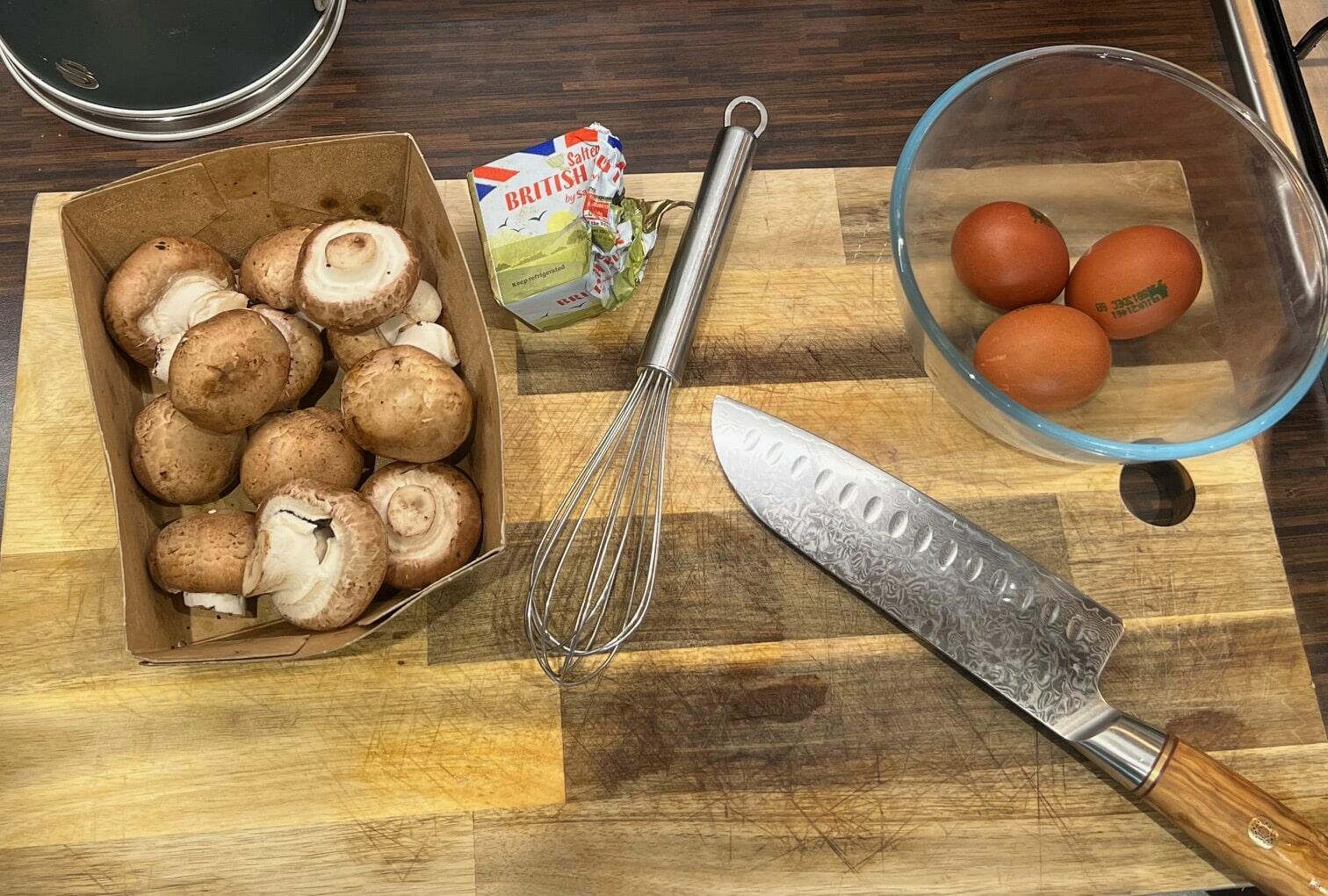
A generous 100g portion of mushrooms, even in the higher-carb shiitake, uses less than a fifth of a strict keto daily allowance. You would need to eat several hundred grams before a single meal of mushrooms became a problem for ketosis, which is more than most people would eat in one sitting.
A quick note on portobello and cremini (the larger, browner cousins of the white button): these are the same species as white button mushrooms (Agaricus bisporus), just harvested at different stages, so their carb profile is effectively identical.
What else do mushrooms bring to a keto plate?
Low carb is only one side of the story. When you cut out bread, rice, pasta and most fruit, you also cut out a lot of quiet nutritional contributors. Mushrooms help fill some of those gaps, which matters on a restrictive plan you plan to follow for more than a few weeks.
B vitamins
Mushrooms are unusually rich in riboflavin (B2), niacin (B3) and pantothenic acid (B5). These vitamins support energy metabolism and normal nervous system function, both of which matter in the first few weeks of keto adaptation when fatigue is common.
Minerals that are easy to miss on keto
Potassium, copper and selenium all appear in useful amounts. Potassium in particular tends to drop in the early weeks of keto as the body sheds water, and mushrooms contribute sensibly alongside other low-carb sources like avocado, spinach and salmon.
Antioxidants including ergothioneine
Mushrooms are one of the few dietary sources of ergothioneine, an antioxidant that is attracting growing research interest. They also contain glutathione and a range of beta-glucans, which are the same soluble fibres linked to satiety and blood sugar steadiness. Research published in the journal Nutrients covers this nutrient profile in more detail.
Vitamin D (when grown in the right conditions)
Mushrooms exposed to sunlight produce vitamin D2. Commercial mushrooms vary widely depending on how they are grown, but a brief period of UV exposure on a windowsill after harvest can meaningfully raise vitamin D content, which is another useful contribution on a plan that excludes most fortified cereal sources.
Why mushrooms work so well in keto cooking
Beyond the macros, mushrooms solve two specific problems that come up on low-carb plans. They absorb fat and flavour, and they bring texture that other low-carb vegetables struggle to match.
They soak up fat without adding carbs
On a high-fat plan, you need ingredients that carry butter, olive oil, cream or rendered bacon fat without clashing. Mushrooms do this better than almost anything else, which is why they appear in so many classic French recipes built around butter and cream.
They add bulk and chew
Mushrooms bring the kind of dense, satisfying bite that helps a meal feel complete when rice or potatoes are off the menu. Larger varieties like king oyster or portobello can even stand in as a main-dish centrepiece, which you will have seen if you have ever had a stuffed portobello cap or a seared king oyster "scallop".
They deliver umami without sugary sauces
A lot of standard savoury flavour comes from reductions, stocks and sauces that lean on sugar or flour. Mushrooms, especially shiitake and dried porcini, carry enough natural umami to build a sauce around without any of that, which is helpful when you are trying to keep net carbs tight.
Keto-friendly ways to use mushrooms at home
You can build a surprising amount of variety from a small handful of mushroom dishes. A few ideas that fit cleanly inside a keto day:
- Stuffed portobellos with cream cheese, garlic and herbs, finished under the grill
- Garlic butter mushrooms as a side for steak, chicken thighs or eggs
- Creamy mushroom and chicken one-pan bake with double cream and Parmesan
- Mushroom "toast" using a large flat cap as the base, topped with poached egg and avocado
- Low-carb mushroom soup made with cream instead of flour-thickened stock
- King oyster "scallops" sliced into rounds, scored and pan-seared in butter
- Mushroom and spinach omelette for a 5-minute breakfast or lunch
For a more comprehensive look at working mushrooms into everyday meals, our guide to incorporating mushrooms into your daily diet covers breakfast through to dinner, and our mushrooms and weight loss guide goes deeper into the satiety and fibre research that makes them useful on a calorie-controlled plan.
Dried and powdered mushrooms on keto
Dried mushrooms are more concentrated than fresh, so the carbs per 100 grams are higher. In practice this matters less than it sounds, because a recipe rarely calls for 100 grams of dried porcini. A typical portion is 5 to 10 grams, which brings the actual carb contribution back down to a handful of grams per serving.
Porcini powder is particularly useful on keto. A small pinch adds depth to sauces, scrambled eggs, steak rubs and soups without introducing the flour or sugar that most commercial seasoning blends rely on. It is one of the easiest shortcuts for adding restaurant-quality savour to everyday keto cooking.
Growing your own for the freshest, lowest-carb supply
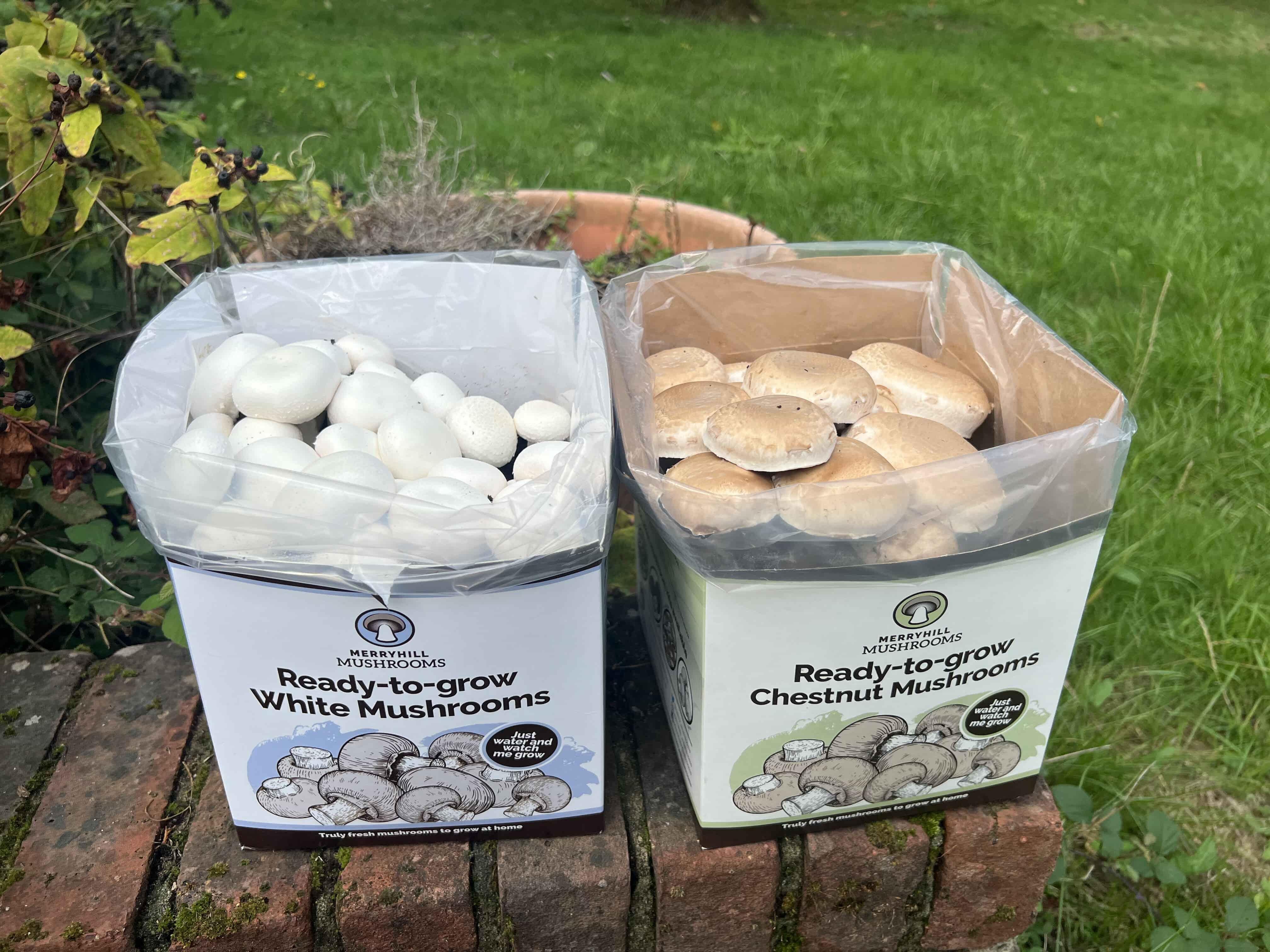
Shop-bought mushrooms are fine, but the flavour of a mushroom harvested the same day you cook it is a different experience, and it is easier to arrange than most people assume. A ready-growing indoor kit produces its first flush in days or weeks rather than months, because the colonisation work has already been done at our farm before the kit leaves.
For keto cooks, the most useful varieties tend to be the meatier ones: chestnut for everyday cooking, king oyster and lion's mane for centrepiece dishes, and shiitake for anything where you want strong umami. Details on where to place your kit at home and how much each variety tends to yield can help you pick something that fits your kitchen and your cooking style.
Grow your own keto-friendly mushrooms at home
Hand-planted in small batches on our Sussex farm. First crop in as little as 7 days, fresher than anything you can buy in a supermarket, and perfectly suited to low-carb cooking.
Shop Mushroom Growing KitsFrequently asked questions
Do mushrooms kick you out of ketosis?
For any normal portion, no. A 100g serving of even the highest-carb common variety (shiitake) adds about 4.3g of net carbs, which is well below any daily keto threshold. You would need to eat several hundred grams in a sitting before it became a meaningful factor.
Are cooked mushrooms higher in carbs than raw?
Cooking mostly reduces water content, which concentrates the numbers per 100g but does not change the total carbs in the portion you started with. If you began with 200g raw, you are still eating 200g worth of carbs after cooking, even if the cooked weight is lower.
Which mushroom is lowest in carbs?
White button and chestnut mushrooms are the lowest of the common varieties, at around 2.3 to 2.4g net carbs per 100g. Oyster mushrooms sit slightly higher at roughly 3.8g, and shiitake are highest at about 4.3g. All of them fit comfortably inside keto limits.
Are dried mushrooms keto-friendly?
Yes, in normal cooking quantities. The per-100g carb figure looks high because drying removes the water, but a typical recipe uses 5 to 10g of dried mushrooms per portion, which brings the actual carb contribution to a few grams at most.
Can I drink mushroom coffee on keto?
Most unsweetened mushroom coffees fit easily, because the mushroom extract contribution per serving is small and largely made up of beta-glucan fibre. The bigger question is usually what you add to it. Sugar, syrups or sweetened oat milk will push the carb count up quickly, while black coffee or unsweetened plant milk keeps things clean.
The short version
Mushrooms belong in any keto kitchen. They are low in net carbs, rich in the vitamins and minerals that keto plans commonly short on, and uniquely good at soaking up the fats that carry most of the flavour on a high-fat diet. Whether you are buying them fresh, keeping dried porcini in the cupboard, or growing your own, they are one of the safest and most useful ingredients to lean on when carbs are scarce.