Lion's Mane, Chaga, Shiitake: How to Tell Culinary From Wellness Products When Shopping
Lion's Mane, Chaga, Shiitake: How to Tell Culinary From Wellness Products When Shopping
Same mushroom, very different products. A practical shopping guide for buyers who want to choose by goal, not by hype.
Functional mushroom shopping gets confusing when the same mushroom appears in a grow kit, a dried pouch, a seasoning, a coffee blend, a hot chocolate, or a capsule bottle. Lion's Mane, Chaga and Shiitake can all appear in both food-led and routine-led categories, but the difference becomes much easier to spot once the format, label wording and intended use are clear.
Buyers usually make better decisions when the question changes from "Which mushroom sounds best?" to "What do I actually want this product to do?" A culinary mushroom product is there to grow, cook, eat and enjoy. A wellness-style mushroom product is usually there to fit into a daily habit through a drink, powder, extract or capsule. That distinction matters because it helps shoppers choose the right product for flavour, convenience, gifting, home growing or simple everyday use without buying the wrong thing for the job.
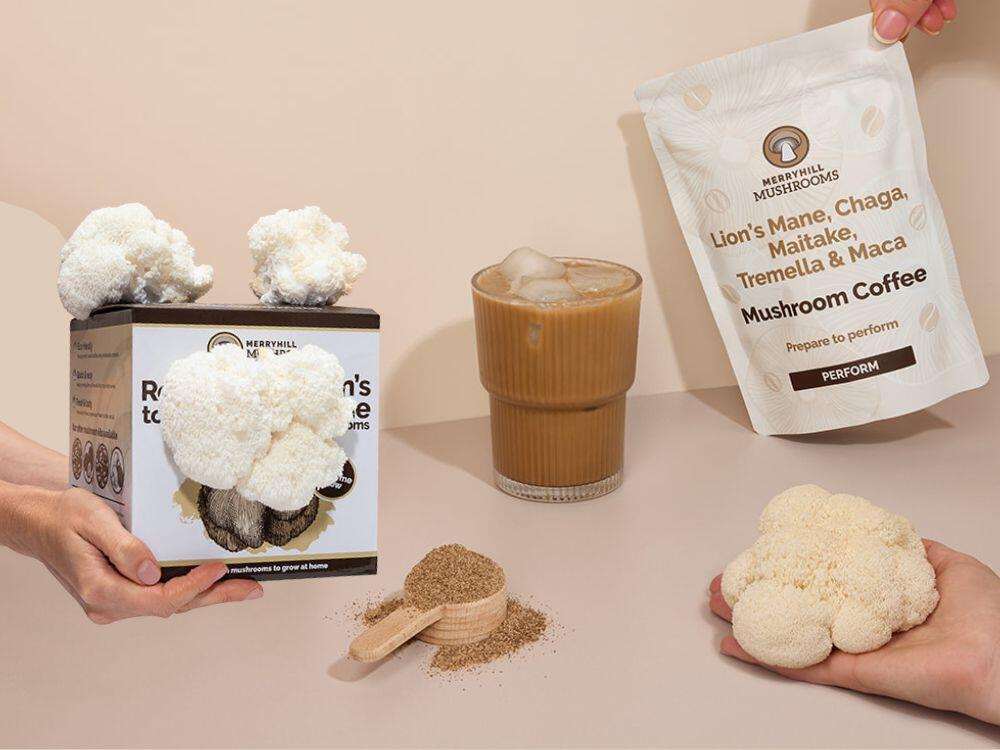
Same mushroom name, very different products. Format usually decides what the product is really for.
Key takeaways
The mushroom name is not enough. Format and label wording tell you what the product is really for.
Culinary products are for cooking, growing and eating. Fresh mushrooms, dried mushrooms, kits and seasonings.
Wellness-style products are for daily routine. Coffee blends, hot chocolates, powders, extracts and capsules.
Lion's Mane crosses both categories because it works as a real gourmet mushroom and as a coffee or hot chocolate ingredient.
Chaga is usually wellness-side. It is rarely sold as an everyday cooking mushroom.
Shiitake is still mainly culinary for most shoppers. Its food identity is strong.
What culinary and wellness usually mean when shopping
Culinary mushroom products are bought mainly for eating, cooking and flavour. Fresh mushrooms, ready-growing kits, dried mushrooms, seasonings and food ingredients usually sit in this category because the main goal is food.
Wellness-style mushroom products are bought mainly for routine use rather than for building a meal around the mushroom itself. Coffee blends, hot chocolates, powders, extracts and capsules usually sit in this category because the main goal is convenience, habit and everyday use.
Purpose decides the category more than the mushroom name does. Product role changes how the same mushroom should be read on the shelf. Lion's Mane in a pan is not the same shopping decision as Lion's Mane in a mug.
Format gives the first clue straight away. A grow kit, a dried ingredient pouch or a fresh mushroom usually points towards food. A drink sachet, capsule bottle or powder scoop usually points towards routine use.
Why the mushroom name alone is not enough
Mushroom names can sound persuasive, but the name alone does not tell the buyer what the product is for. Lion's Mane can be a fresh gourmet mushroom, a ready-growing home kit or a coffee ingredient. Shiitake can be a fresh cooking mushroom, a dried pantry staple or part of a powdered blend. Chaga can sit in a drink or extract product without behaving like a typical kitchen mushroom at all.
Product purpose gives the real answer. Format shows how the buyer is meant to use the mushroom. Label wording then confirms whether the product belongs in the kitchen, the cupboard or the morning drink routine.
Shopping mistakes usually start when all mushrooms get pushed into one mental category. Buyers then assume every mushroom is meant to do the same job. Real products do not work like that, and that is why so many people end up buying something that does not suit the reason they started shopping in the first place.
How to spot a culinary mushroom product quickly
Product format is the fastest way to identify a culinary mushroom product. Grow kits, fresh mushrooms, dried mushrooms, seasonings and recipe-led ingredients are usually there to be cooked, served or used in food.
Preparation instructions confirm that food-led purpose. Cooking language often mentions frying, roasting, slicing, rehydrating, seasoning, serving or recipe ideas. Harvest language often mentions misting, timing, picking and storing.
Taste notes also help. Flavour descriptions such as meaty, savoury, mild, earthy, seafood-like or umami-rich usually point towards a culinary product because the brand is telling the buyer what the eating experience will be like.
Storage advice adds another useful signal. Fridge guidance, pantry use, dried storage or harvest windows usually belong to food-first mushroom products rather than routine-led blends.
How to spot a wellness-style mushroom product quickly
Drink format is one of the strongest signs that a mushroom product is routine-led. Coffee, hot chocolate, powders, extracts and capsules are usually sold for habit and convenience rather than for building a meal around the mushroom itself.
Routine language confirms that role. Product wording often includes terms such as daily, blend, sachet, scoop, capsules, instant, focus, evening or easy to fit into your day. That type of wording points away from the frying pan and towards the mug or supplement shelf.
Serving style makes the difference even clearer. A product measured by scoops, sachets or capsule count is usually meant for routine use. A product measured by flushes, harvest timing, recipe use or cooking quantity is usually meant for food.
Ingredient presentation matters too. Extract language often appears more often in wellness-style products. Whole mushroom, fresh mushroom or dried ingredient language often sits more naturally with culinary products.
Why Lion's Mane crosses both categories so clearly
Lion's Mane is one of the easiest mushrooms to understand as a crossover product because it has a clear place in both food and routine-led shopping. Fresh Lion's Mane has real culinary appeal because of its seafood-like texture, unusual appearance and hard-to-find gourmet status.
Drink formats then move Lion's Mane into a different part of the market. Coffee blends and hot chocolates make Lion's Mane feel more like a daily-use product than a cooking ingredient. That shift does not make the mushroom less real. It simply changes how the buyer uses it.
Merryhill Mushrooms presents that crossover clearly because Lion's Mane already appears as both a real gourmet mushroom and a practical drink ingredient. A buyer can move towards growing when the goal is freshness, harvest and cooking, or move towards coffee and hot chocolate when the goal is a simpler drink routine.
Shopping intent should lead the choice here. A cook looking for texture, flavour and a home-growing experience should not start with capsules. A customer who wants a simple mug in the morning may not need a grow kit as the first step.
Why Chaga usually sits on the wellness side
Chaga is usually sold as a routine-led mushroom product rather than an everyday culinary mushroom. Powdered blends, extracts and drink-style formats are much more common than fresh or grow-at-home Chaga products for the average shopper.
Kitchen use is not usually the first reason people look for Chaga. Shopping behaviour around Chaga tends to be guided more by routine format than by recipe planning. That alone makes it easier to place in the wellness-style side of the category.
Expectation matters here because Chaga often gets grouped beside Lion's Mane and Shiitake in broad mushroom conversations. Category grouping can make buyers think all three should be bought in similar ways. Real shopping habits say otherwise.
Product reading solves most of that confusion. A Chaga listing that talks about extracts, powders, blends, scoops or drink preparation is almost always telling the buyer that this is a routine-led product first.
Why Shiitake is still mainly culinary for most buyers
Shiitake is still mainly a culinary mushroom for most shoppers because the mushroom already has a strong food identity. Broths, stir-fries, noodle dishes, rice dishes and dried pantry use all make Shiitake familiar in a kitchen setting.
Food-led formats keep Shiitake easy to recognise. Fresh Shiitake, dried Shiitake and grow-your-own Shiitake products are clearly built around cooking. That makes Shiitake more straightforward to shop than some of the other mushrooms in this wider category.
Powders and blends can still shift Shiitake into a different format, but the food-first identity stays strong. Buyers usually understand Shiitake through flavour, texture and recipe use before they ever think about capsules or drink blends.
Merryhill Mushrooms reflects that practical view because the wider brand language stays grounded in mushrooms as real products for real use. Mushroom knowledge becomes easier to trust when the business already works across growing, cooking and food-led product language. Our Shiitake cooking guide shows how strong that food-first identity really is.
What the label is really telling you
Label wording often reveals the real purpose of the product within seconds. Food-led labels usually mention freshness, flavour, growing, harvest, recipes, mushrooms for cooking or dried ingredient use.
Routine-led labels usually mention convenience, blends, extracts, morning use, evening use, scoops, sachets or simple daily habits. Product positioning tells the buyer what slot the item is meant to fill before the ingredients are even fully read.
Ingredient detail matters as well. Whole mushroom wording often feels more food-led. Extract wording often feels more routine-led. Fruiting body wording often matters most when the buyer is comparing drink blends or looking for more clarity around what type of mushroom ingredient is inside.
Clarity builds confidence in both directions. A food-led shopper can move towards a kitchen product faster. A routine-led shopper can move towards a drink or blend faster. Confusion usually starts when brands blur those signals too much.
Why fruiting body, whole mushroom and extract wording matters
Ingredient wording matters because buyers should know whether they are shopping for food, for a drink blend or for something closer to a supplement format. Whole mushroom language often makes more sense in culinary shopping. Extract language often makes more sense in routine-led products.
Fruiting body wording can be important for customers comparing mushroom drinks. Product detail gives the shopper a better sense of what kind of ingredient the brand is actually using rather than leaving the mushroom source vague.
Merryhill Mushrooms uses that kind of clarity in its drink range. Fruiting body extract wording helps customers understand that the product sits inside a defined drink category, not inside a vague all-purpose mushroom claim. That helps the buyer read the product correctly from the start.
Shopping confidence improves when ingredient language is specific. Specific wording reduces guesswork. Better wording then leads to better product choice.
When a grow kit makes more sense than a drink
Freshness is the main reason a grow kit can make more sense than a drink for the right buyer. Home growing gives the customer a real mushroom to harvest, cook and enjoy rather than a powder or blend designed for routine use.
Cooking interest is another strong reason. A shopper who cares about flavour, texture and kitchen use will usually get more satisfaction from a real culinary route than from a capsule or a mug-based format.
Gift appeal can make the choice even clearer. A ready-growing Lion's Mane kit is practical, visual and memorable in a way that many routine products are not. That matters for buyers who want something that feels more special than another packet or bottle.
Merryhill's Ready Growing Lion's Mane Mushroom Growing Kit sits naturally in that space because it brings together ease, freshness, home use and product support in one clear offer. That is very different from buying a mushroom because the name sounds interesting on a wellness shelf.
When coffee or hot chocolate makes more sense than a grow kit
Routine is the main reason a drink product can make more sense than a grow kit. Morning coffee drinkers often want something that slips into an existing habit. Evening drinkers often want a warming format that feels easy to repeat.
Convenience can outweigh freshness for some buyers. A mug takes less thought than a growing setup, a harvest window and a cooking plan. That does not make the drink format better. It simply makes the format a better fit for some lifestyles.
First-step confidence is another reason. A customer who is curious about mushrooms but not ready to grow one at home may feel more comfortable starting with a drink. A drink can feel familiar. A grow kit can feel exciting, but it also asks for more involvement.
Merryhill's wider range helps here because the buyer does not have to choose one fixed mushroom identity forever. A customer can begin with a drink, move into food later, or start with home growing and then explore drinks afterwards.
Common shopping mistakes people make
Name-first buying is one of the biggest mistakes in this category. Buyers often see Lion's Mane, Chaga or Shiitake and assume the mushroom name alone tells them what the product is for.
Trend-first buying causes another problem. Broad mushroom hype can make a powder or capsule sound automatically more useful than a food-led product, even when the buyer actually wants flavour, cooking use or a more practical home experience.
Format-blind shopping wastes money. Customers buy a drink when they really wanted a mushroom to cook. Customers buy a kit when they really wanted a quick routine product. Product fit matters more than product excitement.
Goal-free browsing causes most of the confusion in the end. A clear question at the start makes shopping easier. Do you want to cook, grow, gift or drink? The right category usually appears very quickly after that.
How to shop by goal instead of by hype
Goal-led shopping is the easiest way to buy well in this space. A shopper who wants flavour should start with a culinary product. A shopper who wants a simple routine should start with a drink, powder or other easy-use format.
Cooking goals point towards fresh mushrooms, grow kits, dried mushrooms and ingredients that belong in meals. Routine goals point towards drinks and blends that fit naturally into the day. Gift goals can move either way depending on the person receiving the product.
Real-life habits matter more than marketing language. A person who enjoys cooking and likes kitchen projects may get much more value from growing Lion's Mane at home. A person who already makes a morning coffee every day may get much more value from a drink product.
Merryhill Mushrooms supports that kind of goal-based buying because the range already gives the customer more than one sensible route. Growing kits and product categories such as dried mushrooms make it easier to shop by use rather than by mushroom buzzwords alone.
How Lion's Mane shoppers can avoid buying the wrong product
Lion's Mane shoppers should start by deciding whether the goal is taste, home growing or daily routine. Product purpose clears up most of the confusion before the customer even reaches the basket.
Kitchen-focused buyers should usually lean towards a real culinary route. Freshness, texture and cooking satisfaction all sit much more naturally with a grow kit or a food-led mushroom product than with a capsule.
Routine-focused buyers should usually lean towards coffee, hot chocolate or another simple-use format. Familiarity makes those options easier to keep using. Daily use matters more than theory when habit is the main goal.
Gift-focused buyers should think about experience. A visual, ready-growing product can feel more memorable. A drink product can feel easier and lower effort. The better choice depends on the person receiving it.
How Chaga shoppers can avoid buying the wrong product
Chaga shoppers should assume the product is routine-led unless the format clearly says otherwise. Product style gives a strong clue here because Chaga is much more often sold in powders, drinks or extract-style products than as a normal kitchen mushroom.
Expectation-setting matters because the wrong expectation causes disappointment. A customer hoping for a fresh gourmet mushroom experience is unlikely to get that from a Chaga blend. A customer looking for a simple routine product may find that exact format perfectly suitable.
Label reading helps more than mushroom trend reading. Scoop instructions, blend language and extract-style presentation usually show the product's purpose clearly enough.
How Shiitake shoppers can avoid buying the wrong product
Shiitake shoppers should treat the mushroom as culinary first unless the product format clearly pushes it elsewhere. Food identity keeps Shiitake simple for most buyers, and that is useful because not every mushroom needs to be treated as a supplement-style item.
Recipe use should stay central in Shiitake shopping. Fresh product, dried product and grow-your-own product all point strongly towards meals, pantry use and kitchen value.
Format can still change the role, but the role should be read from the listing, not assumed from category chatter. If the pack looks like a food product, read it as food. If the pack looks like a routine product, read it as routine.
Shop by goal, not by hype
Whether you want a real gourmet mushroom for the kitchen or an easy daily drink, Merryhill has both routes covered. Same farm, six generations, no buzzword shopping required.
Browse the Full RangeFAQs
Is Lion's Mane a culinary mushroom or a wellness mushroom?
Lion's Mane can be either, depending on the format you are buying. Fresh Lion's Mane, grow kits and food-led products usually sit in the culinary category because they are there to be cooked, eaten and enjoyed. Coffee, hot chocolate, powders and capsules usually sit in the routine-led category because they are designed to fit into daily habits instead. The mushroom name stays the same, but the product role changes completely.
Is Chaga usually bought for cooking?
Chaga is usually bought more as a routine-led product than as an everyday cooking mushroom. Most shoppers come across Chaga in powders, extracts, drink blends or other daily-use formats rather than in fresh or grow-at-home food products. That makes it much easier to place on the wellness-style side of the category. If the format looks like a scoop, blend or extract product, it is usually telling you that routine matters more than recipe use.
Is Shiitake still mainly a food mushroom?
Yes, Shiitake is still mainly a food mushroom for most buyers. Fresh Shiitake, dried Shiitake and grow-your-own Shiitake products all point naturally towards cooking, pantry use and meal-building. Even when Shiitake appears in powders or blends, its strongest identity is still culinary for most shoppers. That makes it one of the easier mushrooms to place correctly when you are shopping by goal.
Does mushroom coffee count as a culinary product?
No, mushroom coffee is usually a routine-led product rather than a culinary mushroom product. Drink format changes the purpose because the product is meant to fit into a morning or daily habit, not into a frying pan or a recipe. The mushroom itself may be edible in other forms, but the coffee version is still there to be drunk, not cooked. That is why format usually tells you more than the mushroom name alone.
Should I buy a grow kit or a drink product?
You should choose the option that matches what you actually want the mushroom to do in your life. A grow kit usually suits buyers who want freshness, flavour, cooking use and the experience of growing a real mushroom at home. A drink product usually suits buyers who want convenience, routine and a lower-effort first step into the category. The better choice is usually the one that fits your goal, not the one that sounds more interesting on the label.
Published by Merryhill Mushrooms, growing gourmet mushrooms in Storrington, West Sussex for six generations.