What "Extract" Means on Mushroom Wellness Labels and How to Compare Products Fairly
What "Extract" Means on Mushroom Wellness Labels and How to Compare Products Fairly
A plain-English guide to reading mushroom labels: what extract really means, why it matters for bioavailability, and how to compare products without falling for hype.
"Extract" on a mushroom wellness label usually means the product contains a properly extracted and concentrated mushroom ingredient made for a drink, powder, capsule or another routine-led format. Concentration is the key point, not mystery. Fresh mushrooms, grow kits and dried cooking mushrooms belong to a different product category, so they should not be judged by the same rules as a mushroom coffee or hot chocolate.
Fair comparison starts when format, serving size, ingredient wording and daily use are all kept in view together. Better buying does not come from chasing the most dramatic label. Better buying comes from understanding what the product is for and whether it fits the way you actually want to use mushrooms.
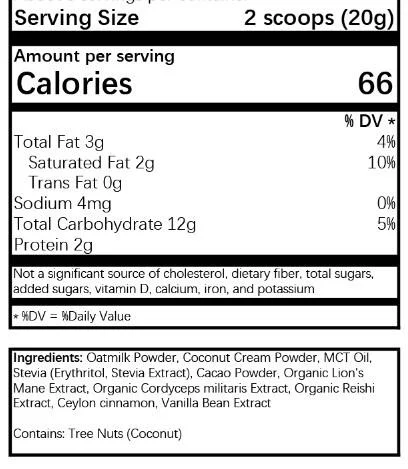
Always check the ingredients label to ensure you are getting the right quality
Extract usually means a concentrated mushroom ingredient used in a routine-led product.
In wellness products, extract usually beats plain powder because the beneficial compounds are more concentrated and more bioavailable.
Fruiting body, whole mushroom, powder and blend wording each describe something slightly different.
Fair comparison starts with product type, serving size and intended use.
Mushroom drinks should be compared with other drinks, not with grow kits or cooking mushrooms.
Clear labels are usually more useful than loud claims.
Real-life fit matters more than technical-sounding wording.
What does "extract" actually mean on a mushroom label?
Extract on a mushroom label usually means the mushroom has been processed into a more concentrated ingredient for use in another product. Concentration is the practical meaning most buyers need to know. Fresh mushrooms are there to cook. Grow kits are there to mist, harvest and eat. Extract-based products are usually there to be stirred into a mug, added to a routine or used in a simple daily format.
Purpose explains why the word appears so often. Routine-led products need ingredients that work in coffee, hot chocolate, powders or capsules. Culinary mushrooms do not need that kind of wording because they are already being sold as food.
Label language can make the term sound more complicated than it really is. Extract is not magic. Extract simply means the mushroom ingredient has been prepared in a more concentrated form for a different kind of use.
Why does "extract" appear so often on wellness-style mushroom products?
Drink products and routine-led products use extract wording because the mushroom is not being sold as a fresh ingredient for dinner. Convenience is the reason the format exists. A mushroom coffee needs an ingredient that fits into a drink. A mushroom hot chocolate needs an ingredient that works in the same way. A capsule needs something suited to that kind of product as well.
Serving style helps explain the category. A grow kit tells you when to mist, when to harvest and how to cook. A drink blend tells you how to prepare one mug, when to use it and what kind of routine it fits.
This is why shoppers should not treat every mushroom product as one big group. Format separates the products long before quality comparison begins.
What is the difference between extract, powder and whole mushroom?
Extract usually refers to a concentrated mushroom ingredient prepared for use in drinks, powders, capsules or similar products. Powder usually means the mushroom has been dried and milled into a fine form, but powder wording alone does not always tell you whether the product is extracted or simply powdered. Whole mushroom wording often points more clearly towards a less altered form of the mushroom, especially in food-led or ingredient-led products.
Context matters more than the word on its own. A powder in a culinary mushroom seasoning is not doing the same job as a powder in a coffee blend. A whole mushroom ingredient in a dried food product is not trying to compete with an extract used in a morning drink.
This is where buyers often get pulled in the wrong direction. Better buying starts with asking what the product is meant to do, not which term sounds most impressive.
Top tip from Merryhill Mushrooms
In routine-led wellness products, it is generally best to target mushroom extracts over plain powders. The reason is bioavailability.
An extract means the beneficial compounds inside the mushroom have been properly drawn out and concentrated, so your body can actually make use of them. A raw dried powder is a far less concentrated dose, and the mushroom's tough cell walls (made of chitin) often mean the active compounds are not fully bioavailable to the body when consumed that way.
If you are choosing between two mushroom coffees, hot chocolates or capsules that look similar on the front of the pack, the one with a named extract on the ingredients list is usually the more useful buy. This does not apply to culinary powders in cooking, where the mushroom is being used for flavour rather than a concentrated dose.
What does "fruiting body extract" mean?
Fruiting body extract usually means the extract has been made from the mushroom itself. Ingredient source is the main point of the phrase. Buyers often look for this wording because they want clearer information about the mushroom material behind the label.
Clarity matters more than drama here. A product that tells you the type of ingredient being used is easier to compare fairly than one that hides behind broad mushroom language. That is one reason fruiting body extract wording is useful in Merryhill Mushrooms drink products. The label gives practical shoppers a clearer basis for comparison without forcing them through vague claims.
Specific wording is helpful because it tells you what kind of product you are looking at. Vague wording usually creates more noise than value.
Does extract automatically mean better?
Extract does not automatically mean better in every context. Suitability decides value, and suitability depends on the product format, the buyer's goal and the way the item is meant to be used.
A concentrated extract can make perfect sense in a mushroom coffee or hot chocolate. A whole culinary mushroom can make perfect sense in a grow kit, dried ingredient or food-led product. These products are doing different jobs, so they should not be ranked by one simple rule.
Within the wellness product category, though, extract wording is usually a signal worth paying attention to. Between two similar mushroom drinks or capsules, the extract-based option is generally the more concentrated and more bioavailable one. Between a mushroom drink and a fresh cooking mushroom, extract wording is not a fair basis for comparison at all because the two products are trying to do different things.
Why product purpose matters more than technical wording
Purpose matters because mushrooms now appear in several product categories at once. Food products are there to be cooked. Grow kits are there to be harvested and eaten fresh. Drink blends are there to fit into a routine. Capsules are there to be quick and easy for the right buyer.
This is also why fair comparison starts with category, not hype. A Lion's Mane coffee should be judged against another drink product, not against a fresh Lion's Mane mushroom or a home grow kit. A mushroom coffee is there to work in a mug. A grow kit is there to give you a real mushroom growing and cooking experience.
This is the simplest way to keep shopping decisions fair. Ask what the product is for before asking whether the wording sounds clever. Our guide on telling culinary from wellness mushroom products covers this split in more detail.
How should you compare mushroom products fairly?
Fair comparison starts with like-for-like thinking. Drink should be compared with drink. Powder should be compared with powder. Capsule should be compared with capsule. Fresh or grow-your-own mushroom products should be compared with other food-led or growing products.
Serving size comes next because one product may look bigger or more impressive on the front of the pack while being designed for a completely different use per serving. Format then stays important because a product that fits your real routine will nearly always beat a product that only sounds better on paper.
This wider view is what stops buyers from getting distracted by front-of-pack language. A useful comparison looks at purpose, format, serving and clarity together.
Why serving size matters so much
Serving size matters because quantity only becomes meaningful when it is tied to actual use. A big number on a label can look impressive, but that number tells you very little if the serving instructions, product type and intended routine are not clear.
A mushroom coffee should be judged in the context of one mug. A hot chocolate should be judged in the context of one serving. A capsule should be judged in the context of how the product is actually meant to be taken.
This is why louder labels do not always give better value. A product that fits neatly into a daily routine and actually gets used often turns out to be better value than one that sounds stronger but never earns a repeat place in the day.
Why you should compare mushroom drinks as drinks first
Drink format should come before everything else when you are judging a mushroom coffee or hot chocolate. Taste matters because the product still has to work as a drink. Routine matters because the mug still has to fit an actual morning or evening habit.
This is where a lot of confusion begins. Buyers start reading a mushroom coffee as if it were trying to compete with a fresh mushroom, a grow kit or a pan-ready ingredient. Those comparisons are not fair because the products are not trying to solve the same problem.
The category becomes easier to read as soon as the buyer understands that mushroom drinks belong to a routine-led product world, not a cooking-led one.
What should you look for on the label first?
Product type should be the first thing you check. Coffee, hot chocolate, powder or capsule gives you the quickest clue about how the product is meant to be used and whether it belongs in your actual routine.
Mushroom name should come next. Lion's Mane, Reishi, Chaga, Maitake, Tremella and other names may all appear on the pack, but the mushroom type only becomes useful once the format is clear. Ingredient wording should then follow. Extract, fruiting body extract, powder, blend or whole mushroom language tells you how the mushroom is being used inside that product.
This order matters because it stops the label from leading you straight into technical language before you even know whether the product fits your life.
What should you ignore or treat carefully?
Hype-heavy claims should be treated carefully when they create more excitement than clarity. Marketing is part of selling, but the best labels still explain what the product is and how it is meant to be used.
Overloaded comparisons should also be treated carefully. A mushroom coffee does not need to beat a grow kit, a dried mushroom ingredient and a capsule at the same time to be worth buying. It only needs to do its own job well.
This is where first-time buyers often get lost. Too many dramatic claims pull attention away from the real buying questions: what is this, how do I use it, and does it sound like something I will actually enjoy and finish?
How does this apply to Lion's Mane coffee?
Lion's Mane coffee should be compared first as coffee. Flavour matters because the mug still needs to work as a real coffee, not just as a mushroom label with warm water added to it.
Ingredient wording still matters, but normal coffee questions should stay in view as well. Does the drink sound close enough to the coffee style I already enjoy? Does the format suit my morning? Does the label explain the mushroom ingredient clearly enough to trust?
That is one reason Lion's Mane coffee is easier for many shoppers to understand. Lion's Mane already feels like a real mushroom with a clear identity, and that makes the drink format easier to read without drifting into vague wellness language. For a deeper look at how Lion's Mane works differently as a food ingredient and as a drink, our cooking vs drinks guide is a useful companion piece.
How does this apply to culinary mushrooms?
Culinary mushrooms should be judged as food first. Flavour, texture, freshness, kitchen use and storage are the right comparison points for fresh mushrooms, dried mushrooms and grow kits.
This is exactly where fair comparison matters most. A fresh Lion's Mane mushroom or a grow-your-own kit is not trying to do the same job as a mushroom coffee. A growing guide belongs to an educational and culinary route. Dried mushrooms belong to cooking and pantry use. Neither needs extract wording to make sense because both already belong in the food category.
This is why shoppers should not let the same mushroom name flatten every product into one group. Lion's Mane as food and Lion's Mane as a drink ingredient are related, but they are not identical purchases.
What makes a label feel trustworthy?
Clarity makes a label feel trustworthy because the buyer can understand what the product is and what it is meant to do. Specific wording usually helps more than dramatic wording, especially in a category that already gets too much noise.
Consistency also helps. A brand that speaks clearly across drinks, mushroom education and wider mushroom products usually feels easier to trust than one that only knows how to talk in trend language.
This matters on the Merryhill Mushrooms website because the customer can move from drinks to food-led mushrooms to growing guidance without the brand voice changing. That joined-up product structure makes the label feel more believable because it sits inside real mushroom knowledge.
Why this matters so much for first-time buyers
Confusion matters because first-time buyers often want to do the right thing but do not know what the label is really telling them. Technical wording can make the category feel more advanced than it needs to be, and that can push people into overthinking or buying the wrong format.
Plain-English guidance matters more than label drama here. A customer who understands the difference between a drink product, a culinary mushroom and a grow kit has already made the category much easier to navigate.
This is also where Merryhill Mushrooms style works well. Simple, practical product language helps buyers move from curiosity to confidence without making the whole subject feel stiff or clinical.
Why mushroom drinks and grow kits should not be judged by the same rules
Routine-led drinks and home-growing kits may both sit under the mushroom umbrella, but they serve very different needs. Coffee and hot chocolate are there for ease, habit and everyday use. Grow kits are there for freshness, flavour and the experience of growing and harvesting real mushrooms at home.
This difference matters because it protects buyers from bad comparisons. A Lion's Mane coffee does not need to behave like a fresh Lion's Mane mushroom to be a good product. It only needs to be a good drink that fits the day.
That wider picture helps practical buyers shop more clearly. A customer can explore drinks, guides and growing products without confusing one route with another.
A simple way to compare extract-based mushroom products fairly
Purpose should be your first question. Ask what the product is for before asking whether the wording sounds impressive.
Format should be your second question. Ask whether the item is a coffee, hot chocolate, powder or capsule and whether that format suits your routine.
Serving should be your third question. Ask how the product is meant to be used and whether the ingredient information makes sense in that real serving context.
Clarity should be your fourth question. Ask whether extract, fruiting body, blend or whole mushroom language is being explained clearly enough to trust. Between two similar wellness products, an extract on the ingredients list is generally the more useful signal.
Fit should be your final question. Ask whether this sounds like something you will actually use, enjoy and keep buying if it works well.
Merryhill Mushrooms: fruit body extracts only
Our coffee and hot chocolate range uses fruit body extracts, not powders and not mycelium. Clearer labels, more concentrated dose, made in the UK.
Shop the Coffee & Hot Chocolate RangeFAQs
Does "extract" always mean a stronger mushroom product?
"Extract" usually does mean a more concentrated form of the mushroom because the beneficial compounds have been drawn out and made more bioavailable, especially compared with a plain dried powder. Within routine-led products such as coffees, hot chocolates and capsules, that is usually a positive sign to look for on the label. Strength still only becomes meaningful when the format, serving size and real-life use all make sense together, but between two similar wellness products, the extract-based option is generally the smarter choice.
Is extract better than whole mushroom?
No, extract is not automatically better than whole mushroom. Extract often suits drink blends, powders and daily-use formats very well because the compounds are more concentrated and easier for the body to use. Whole mushroom often makes more sense in food-led products such as dried mushrooms, fresh mushrooms or grow kits, where flavour, texture and cooking use matter more than concentrated dose. The better option depends on what you want the product to do, not on which label sounds more impressive.
Is extract better than plain mushroom powder?
In routine-led wellness products such as coffee, hot chocolate or capsules, an extract is generally the better choice over a plain powder. Extraction concentrates the beneficial compounds and makes them more bioavailable, which is what most buyers of this kind of product are actually looking for. A raw dried powder is a much less concentrated form, and the mushroom's tough cell walls often mean the compounds are not fully available to the body. This does not apply to culinary powders used for cooking, where flavour is the whole point.
What does fruiting body extract mean?
Fruiting body extract usually means the extract has been made from the mushroom itself. That wording helps buyers understand the ingredient source more clearly and gives the label more useful detail than vague mushroom language on its own. It is especially helpful when comparing drink products because those products often rely on ingredient clarity to explain what is actually in the mug. Specific wording like this usually makes comparison easier, not more complicated.
Should I compare a mushroom coffee with a grow kit?
No, a mushroom coffee should not be compared directly with a grow kit. A coffee is there to fit into a drink routine, while a grow kit is there to give you freshness, flavour and the experience of growing a real mushroom at home. Even when both products use the same mushroom name, they still do completely different jobs. Fair comparison starts when you compare drinks with drinks and food-led products with food-led products.
What matters most when comparing mushroom wellness products?
Purpose matters most when comparing mushroom wellness products. Format, serving size, ingredient wording and routine fit all matter as well, but they only become useful once you know what the product is actually for. A coffee should fit your mug and your morning. A capsule should fit your routine. A food product should fit your kitchen and the way you actually cook.
Published by Merryhill Mushrooms, growing gourmet mushrooms in Storrington, West Sussex for six generations.