What to do with my used mushroom growing kit, how do I dispose of it?
What to Do with the Used Growing Block: Composting, Garden Use, and Disposal
Once your mushroom growing kit has finished producing, the block still has value. Most spent substrate can go straight into your garden or compost. This guide covers what to do with the block, the box, and the liner, and explains the one exception you need to know about.
The contents of most Merryhill Mushrooms growing kits are suitable for home composting. The one exception is Yellow Oyster, where the spent compost must not enter the environment. If you are not sure whether your kit has finished, check whether it has stopped producing pins after resting. Most kits give at least two flushes before the substrate is spent.
How to know when your kit is finished
A kit is finished when it stops producing new pins after a period of time. Most kits produce at least two flushes, and some manage three or four depending on the variety and care. After each harvest, rest the block for a few days without misting, then resume your normal routine. If nothing appears after 10 to 14 days of resumed care, the substrate has likely used up its available nutrition and the block is spent.
The block may also feel noticeably lighter than when it arrived, and the substrate may look darker, drier, or more crumbly. These are all normal signs that the growing medium has done its job.
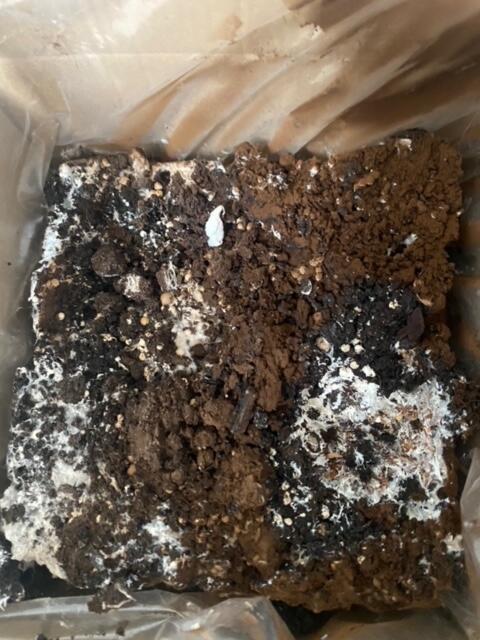
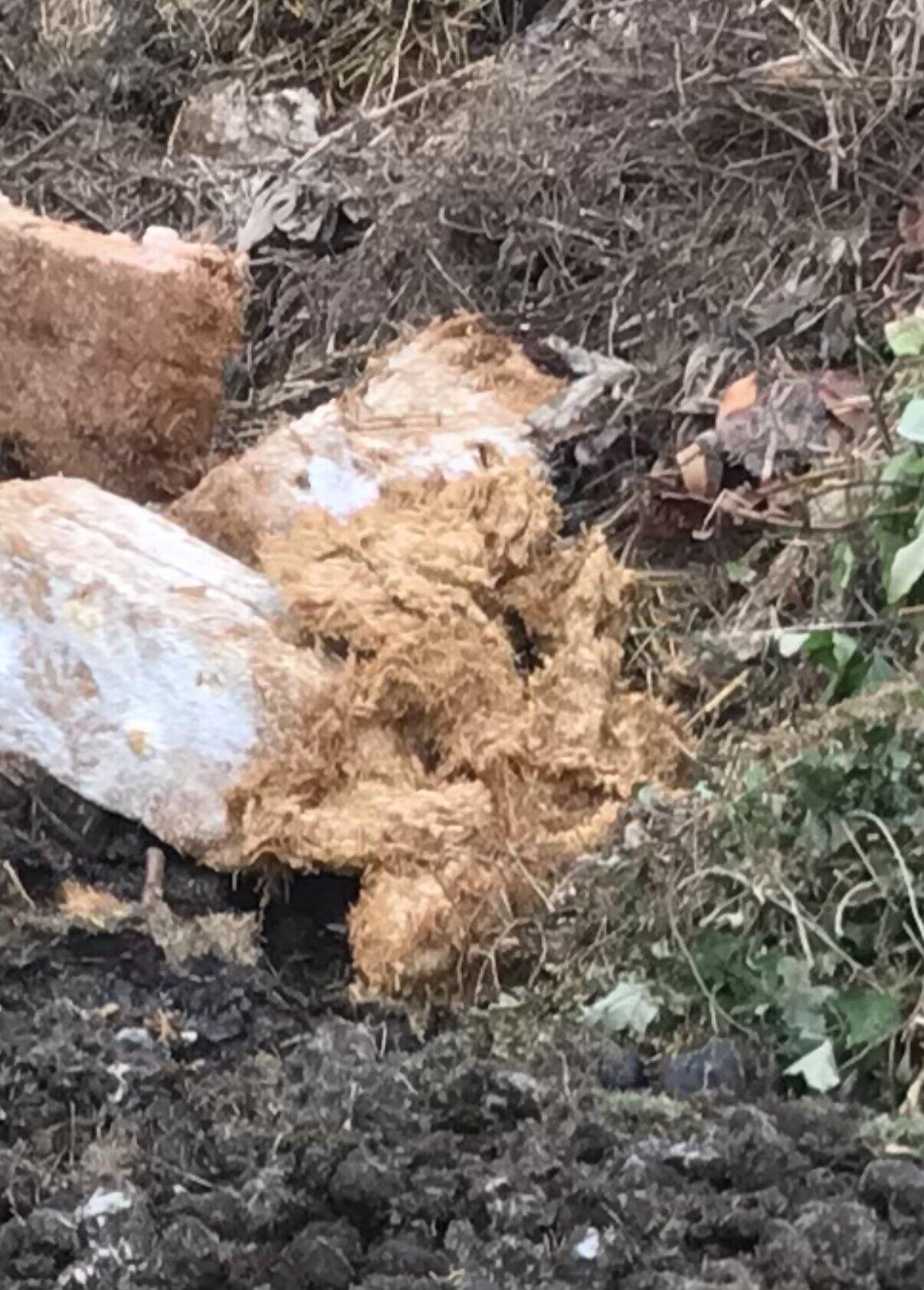
A spent block is older, drier and more crumbly than a fresh kit
How to know when your kit is finished
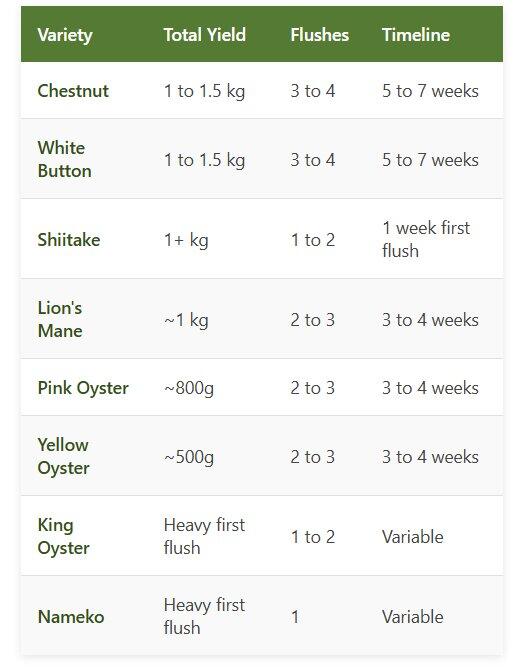
Another good way to ascertain when your kit may be done, is the rough life cycles of the mushroom growing kits we sell, each kit is packed full of nutrition and most do provide multiple crops. If your significantly older than the timeline below, this likely means it is time to dispose of your kit.
How to know when your mushroom kit has finished producing.
For example, a Chestnut or White Mushroom Growing kit, typically provides 3-4 crops over its lifecycle of 5-7 weeks, so if you have had the kit for 3 months, it is now best to dispose of the grow kit.
Composting the spent block
The spent substrate from most Merryhill Mushrooms kits is organic material that breaks down well in home composting. You can add it to compost heaps, compost bins, or scatter it across flowerbeds for added nutrition. It is good practice to break the block up into smaller pieces first to help the organic material break down more quickly.
The following kit varieties are all suitable for home composting and garden use:
Safe for composting and garden use
White Oyster, Pink Oyster, Lion's Mane, Shiitake, King Oyster, Chestnut, and White mushroom kits can all be composted or added to garden soil.
How to use spent substrate in the garden
Spent mushroom substrate is a useful soil improver. The organic material adds structure and nutrients to garden beds as it breaks down. Here are the most practical ways to use it.
Compost heap or bin
Break the block into small pieces and add it to your existing compost. The spent substrate counts as a "brown" material (carbon-rich), so mix it with green material like grass clippings or vegetable scraps for a good balance. It breaks down relatively quickly because the mycelium has already started the decomposition process.
Flowerbeds and borders
Crumble the spent block and scatter it across flowerbeds as a mulch. It adds organic matter to the soil as it breaks down over the following weeks. Mulch it into the top few inches of soil rather than leaving it in large chunks on the surface. This helps it decompose evenly and prevents it from drying into a hard crust.
Raised beds and vegetable patches
Spent substrate can be mixed into raised beds to improve soil structure and water retention. Break it up well and work it into the existing soil. It is not a fertiliser on its own, but it adds organic matter that improves soil health over time. Ideal for adding bulk to raised beds that have settled or thinned out.
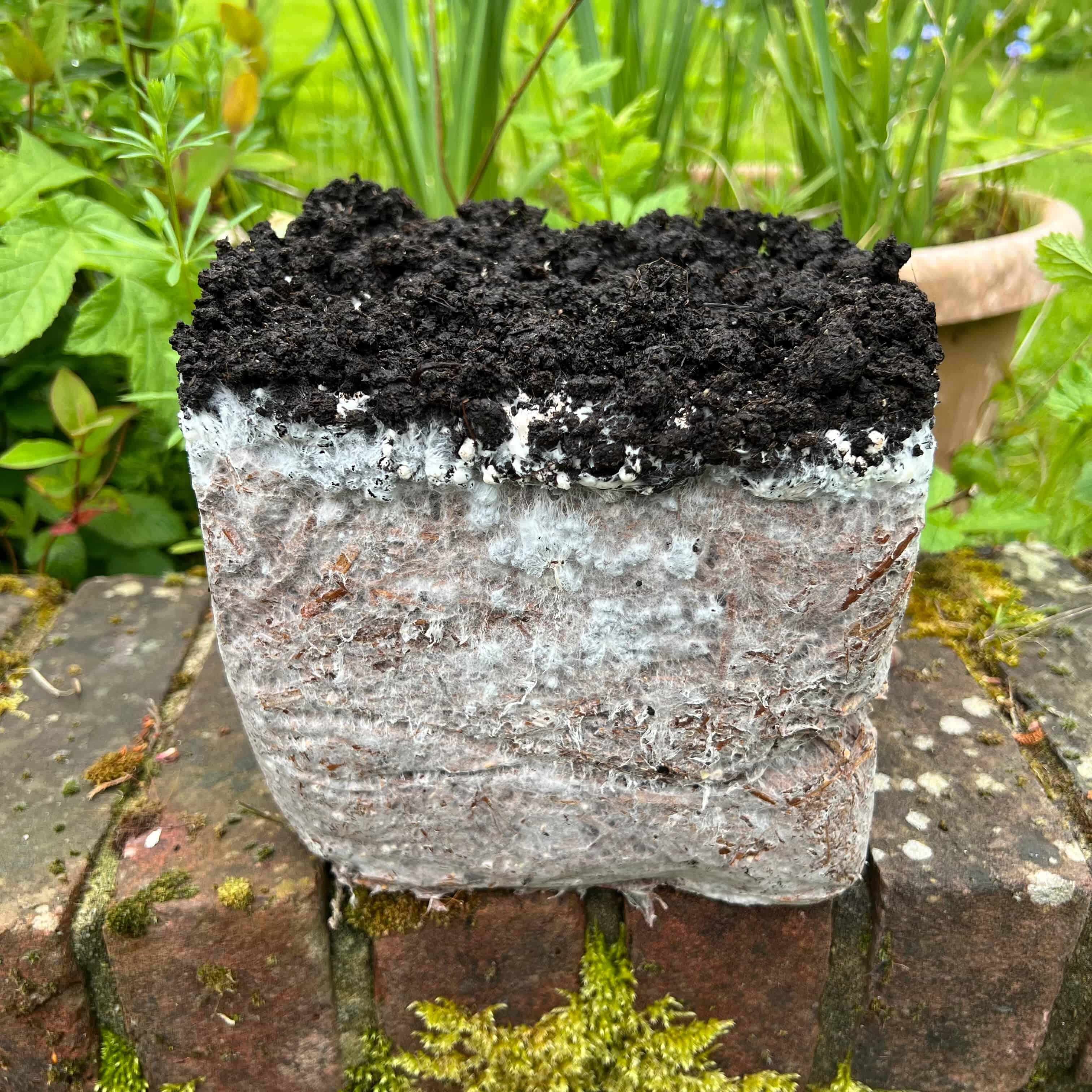
Left: All organic matter from our growing kit can be composted — Right: crumbled substrate mulched into a compost heap
The exception: Yellow Oyster kits
Yellow Oyster (Pleurotus citrinopileatus) is the one variety where the spent compost must not enter the environment. Yellow Oyster is not native to the UK and should not be introduced into gardens, compost heaps, or green waste bins where it could potentially spread.
The correct disposal method for Yellow Oyster substrate is:
Dry the compost out
Remove the spent block from the box and place it somewhere warm and dry, ideally in direct sunlight. Allow it to dry out completely. This kills the mycelium and makes the substrate safe to handle and dispose of.
Bag and seal it
Once fully dried, place the substrate into a bag and seal it securely. A standard bin bag tied tightly is fine.
Dispose in general household waste only
Place the sealed bag in your general household waste bin (landfill). Do not put it in garden waste bins, food waste bins, or compost collections, as these may end up being processed in ways that could introduce the species into the environment.
Our full guide on disposing of Yellow Oyster mushroom substrate responsibly covers this process in more detail, including why this variety requires different handling. Merryhill Mushrooms is phasing out the Yellow Oyster kit and launching a seasonal oyster range using native and non-invasive alternatives including White Oyster, Grey Oyster, Tarragon Oyster, and Black Pearl Oyster.
What to do with the box and packaging
The product boxes are marked to show which parts can be recycled. The cardboard outer box is recyclable through your normal household recycling collection.
The plastic liner bags inside the kits should be placed in general household waste (landfill), not recycling. We cannot use biodegradable liners because the nature of the compost would break down the liner prematurely during the growing process, which would compromise the kit before it reaches you.
Cardboard box
Recyclable (if not a laminated box). Flatten and place in your household recycling. If the box has absorbed moisture or compost residue, it can also go into the garden compost.
Plastic liner bag
General household waste (landfill). Not recyclable. Biodegradable alternatives are not used because the compost would break them down before the kit reaches the customer.
Leaflets and cards
Instruction sheets and product information cards provided are all able to be recycled.
Ready for Your Next Kit?
Your spent block feeds the garden. Your next kit feeds you. Every Merryhill Mushrooms kit arrives fully colonised and ready to fruit.
Shop Growing KitsFrequently asked questions
Can I put spent mushroom compost on my garden?
Yes, for all varieties except Yellow Oyster. Break the block into small pieces and scatter across flowerbeds, mix into raised beds, or add to your compost heap. The organic material improves soil structure and adds nutrients as it breaks down.
Why can Yellow Oyster compost not go in the garden?
Yellow Oyster (Pleurotus citrinopileatus) is not native to the UK. Introducing the spent substrate into garden soil, compost heaps, or green waste could potentially allow the species to spread into the local environment. The compost must be dried, bagged, sealed, and placed in general household waste only. Our Yellow Oyster disposal guide covers this in full.
How do I know if my kit is truly finished?
After harvesting, rest the block for a few days and then resume misting. If no new pins form after 10 to 14 days of consistent care, the substrate is spent. The block will also feel lighter and the material will look darker and more crumbly than when it arrived.
Can I use spent substrate as potting compost?
Spent substrate works best as a soil amendment rather than a standalone potting compost. It adds organic matter and improves structure, but it does not have the nutrient balance that plants need from a primary growing medium. Mix it into existing soil or compost rather than using it on its own in pots.
Why are the plastic liners not biodegradable?
The active compost inside mushroom growing kits would break down a biodegradable liner before the kit reaches the customer, compromising the growing environment. Standard liners are used to ensure the kit arrives in the right condition for successful mushroom growing. The liners should be placed in general household waste.
Related reading
Published by Merryhill Mushrooms
Sussex, UK | Six generations of mushroom growing excellence